Desert climates pose distinct hurdles for drywall repair. Fast compound drying, significant temperature fluctuations, and low humidity necessitate specialized techniques.
How Desert Environments Impact Drywall Differently
Property owners in dry regions encounter a distinct array of drywall issues compared to those in humid areas. While moisture damage and mold are less prevalent, arid conditions introduce their own set of complications. Extremely low humidity causes drywall to lose inherent moisture, leading to increased brittleness and a higher susceptibility to cracking. Joint compound dries excessively quickly during application, hindering proper adhesion and a smooth finish. Substantial daily temperature swings — sometimes exceeding 40 degrees between daytime highs and nighttime lows — create aggressive cycles of expansion and contraction that strain joints and fasteners throughout the year. Homeowners in [Albuquerque](/locations/new-mexico/albuquerque) and [Santa Fe](/locations/new-mexico/santa-fe) experience these combined factors, resulting in repair difficulties that demand techniques specifically designed for arid environments.
Rapid Compound Curing: The Foremost Repair Difficulty
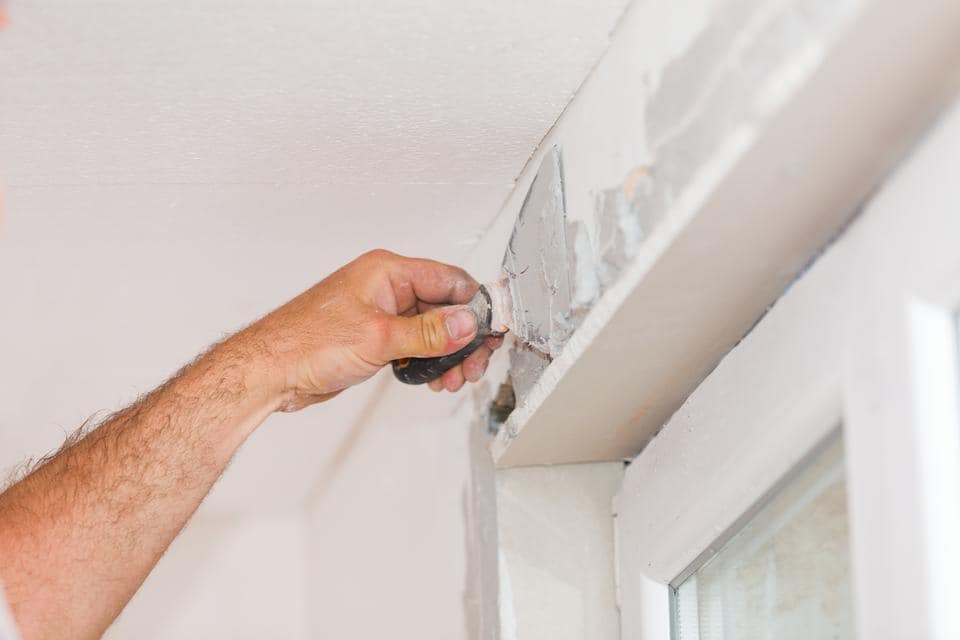
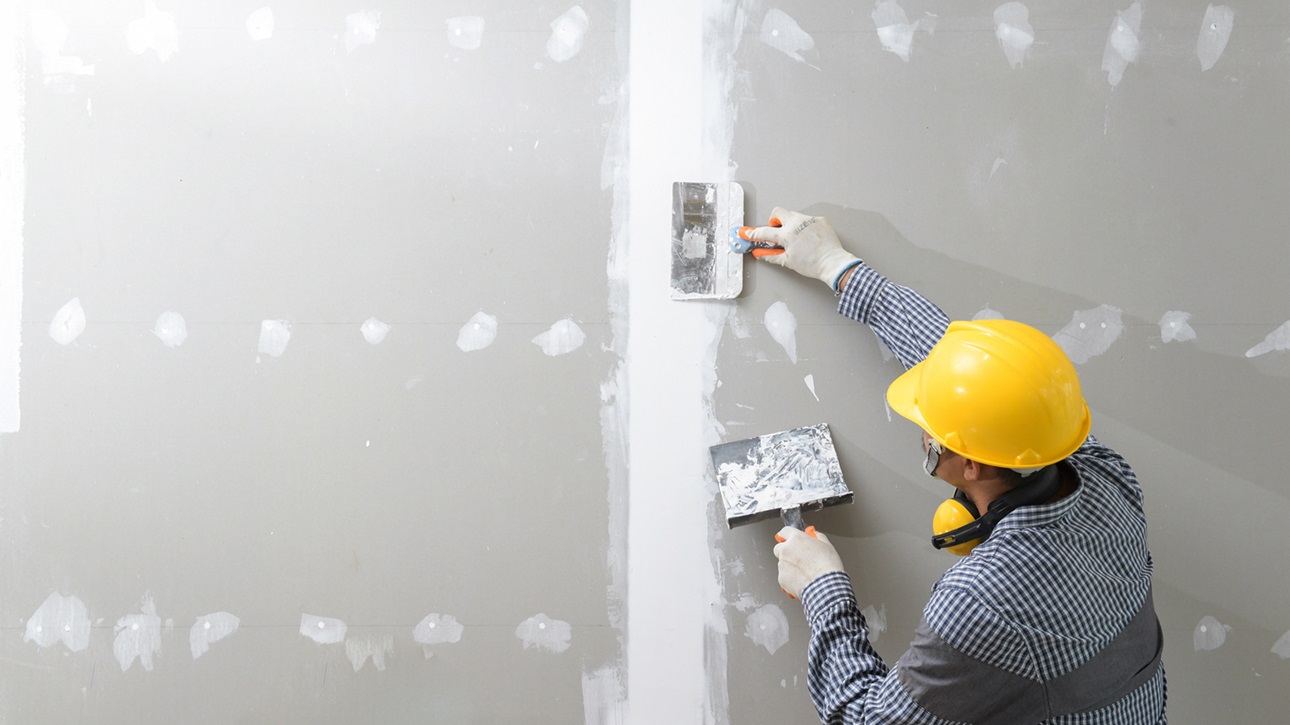
In humid settings, joint compound dries within a few hours. In the dry Southwest, compound can begin to form a skin within minutes, making a smooth finish exceptionally challenging. When compound cures too rapidly, it fails to bond properly with the underlying surface, doesn't adequately embed tape, and cracks as it shrinks quickly. This results in repairs that appear unsightly and fail prematurely. Professionals working in dry conditions adapt their approach in several ways: they use smaller batches of compound to ensure it's applied before drying, they lightly mist the wall surface with water prior to application to slow absorption, they opt for slow-setting compounds specifically formulated for hot and dry conditions, and they avoid working in direct sunlight or on exterior walls heated by the afternoon sun. These modifications differentiate between a lasting repair and one that deteriorates within weeks.
Cracking Due to Extreme Thermal Cycles
The significant temperature fluctuations common in [Las Cruces](/locations/new-mexico/las-cruces) and [Rio Rancho](/locations/new-mexico/rio-rancho) generate a relentless expansion-contraction cycle that is particularly harsh on drywall joints. During the day, sun-warmed exterior walls undergo considerable expansion. At night, rapid cooling causes them to contract. This daily cycle stresses every joint, fastener, and connection within the wall assembly. Over months and years, cracks appear at the weakest points — typically taped joints, corners, and areas around windows that receive direct sun exposure. Interior walls connected to sun-facing exterior walls often exhibit sympathetic cracking due to transmitted stress. Repairs in such conditions must account for ongoing movement by utilizing flexible taping systems and elastomeric compounds that can absorb minor movement without fracturing.
Tailored Repair Methods for Dry Climates
Successful drywall repair in arid regions requires modifying standard procedures to suit the environment. Pre-wet all surfaces before applying compound — a fine mist from a spray bottle is adequate. Use setting-type compound instead of pre-mixed for improved adhesion and strength. Perform work during cooler parts of the day — early morning is ideal — and prevent direct sun exposure on the repair area during application and drying. Apply compound in thinner layers than you would in humid conditions, as thicker applications are more prone to surface cracking from rapid drying. Consider using fiberglass mesh tape exclusively, as it offers superior crack resistance compared to paper tape in environments with constant thermal stress. Our [drywall finishing and texturing](/services/drywall-finishing-texturing) specialists adjust their materials and workflow for every climate zone we serve.
Stucco-to-Drywall Transitions in Southwestern Residences
Many homes in the Southwest feature exterior stucco construction, and the interface between stucco exterior walls and interior drywall finishes creates specific points of stress. The stucco wall assembly and the internal drywall move at differing rates as temperatures change, causing stress at corners and intersections where the two systems meet. Cracks at these transition points are frequent and often reoccur after conventional repairs. The most effective solution involves incorporating control joints — deliberate separation lines — at these transitions, filled with flexible caulk rather than rigid compound. This allows the two systems to move independently without transferring stress across the joint. Homeowners in [Roswell](/locations/new-mexico/roswell) and throughout the state should watch for this specific crack pattern when assessing their properties.
Long-Term Drywall Protection in Arid Regions
Protecting drywall in dry conditions primarily involves maintaining appropriate indoor humidity and mitigating thermal stress. Operating a whole-house humidifier during the driest months keeps indoor humidity in the 30 to 40 percent range, preventing the drywall from becoming excessively brittle. Sufficient insulation in exterior walls reduces the temperature difference between the wall surface and the room air, lessening thermal stress on the drywall. Window coverings on sun-facing walls decrease solar heat gain and the associated thermal cycling. Applying a flexible primer designed for dry climates provides a base coat that accommodates minor expansion and contraction without cracking. These measures collectively extend the lifespan of drywall repairs and decrease the frequency of maintenance in demanding desert environments.
Need Professional Drywall Help?
Contact Expert Drywall Repairs for a free estimate on your next project.
Get a Free QuoteLooking for drywall repair services in your area? Browse our full service directory by city.