Ceiling fissures in vintage residences can range from minor cosmetic issues to indicators of significant structural concern. Identifying the root cause is key to selecting the correct repair strategy.
Why Ceilings in Heritage Properties Develop Imperfections
Ceiling blemishes are considerably more prevalent in heritage properties compared to contemporary builds, stemming from both structural and material factors. Older houses were constructed with distinct framing approaches, often employing smaller timber with greater spacing between joists. Many originally featured plaster over wood lath instead of drywall, and homes later converted to drywall ceilings may suffer from installation flaws from the conversion. Decades of seasonal thermal expansion and contraction, foundation settlement, roof loads from snow and wind, and the cumulative impact of vibrations from foot traffic on upper floors all contribute to the formation of cracks. Homeowners in [Hartford](/locations/connecticut/hartford) and [New Haven](/locations/connecticut/new-haven) possess some of the nation's oldest residential structures, and ceiling cracks are among the most frequent issues they bring to drywall experts.
Esthetic Flaws Versus Structural Red Flags
The crucial initial step is discerning whether a ceiling crack is superficial or indicative of a structural problem. Superficial cracks are typically hair-thin, follow tape joints, or run along the perimeter where the ceiling meets walls, and show little change over time. These result from normal building movement, temperature cycles, and the natural aging of joint compound and tape. Structural cracks,Conversely, tend to be broader – often wide enough to insert a coin or fingertip into – and may extend at angles that do not align with tape joint locations. They might be accompanied by noticeable ceiling sag, doors that jam or fail to close properly, or cracks that mirror patterns on the floor above. If you observe ceiling cracks alongside wall cracks in a stair-step formation, this strongly suggests foundation shifting that requires a professional structural assessment.
Truss Uplift and Recurring Seasonal Cracks
One particular source of ceiling cracks in certain home styles is truss uplift. In residences utilizing roof trusses – as opposed to traditional rafter-and-joist framing – the bottom chord of the truss can bow upwards during colder months when the upper chords are exposed to low temperatures and the lower chord remains warm within the insulated ceiling. This upward deflection pulls the ceiling's center away from the interior partition walls, creating cracks along the wall-to-ceiling juncture. These cracks open in winter and reseal in summer, which can cause concern for homeowners unfamiliar with the phenomenon. In [Stamford](/locations/connecticut/stamford) and [Bridgeport](/locations/connecticut/bridgeport), where cold winters are common, truss uplift cracks regularly appear in homes built with truss framing. The proper fix involves using flexible caulk or crown molding instead of rigid compound, which would inevitably crack again.
Mending Minor Ceiling Fractures
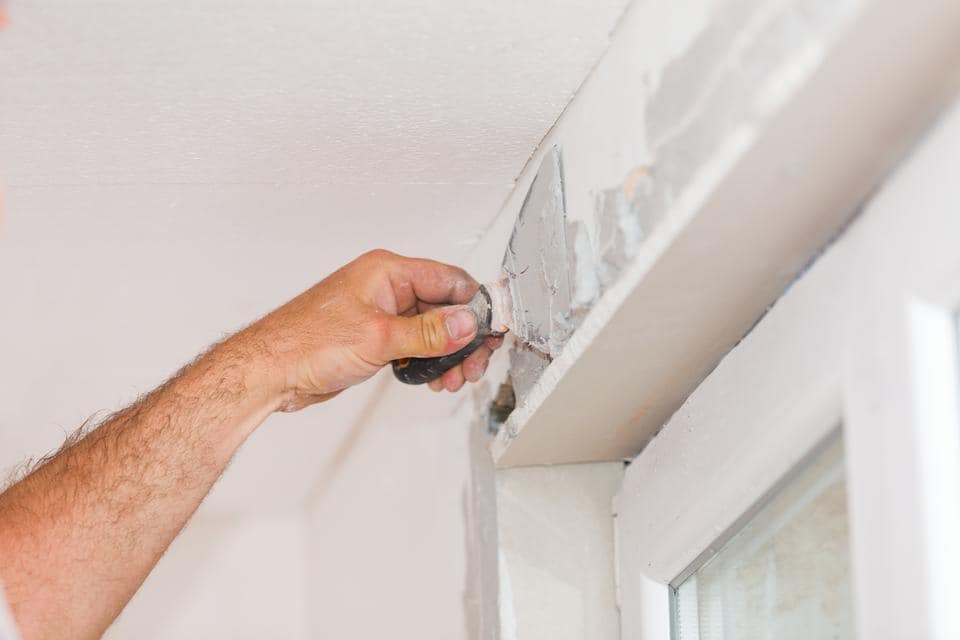
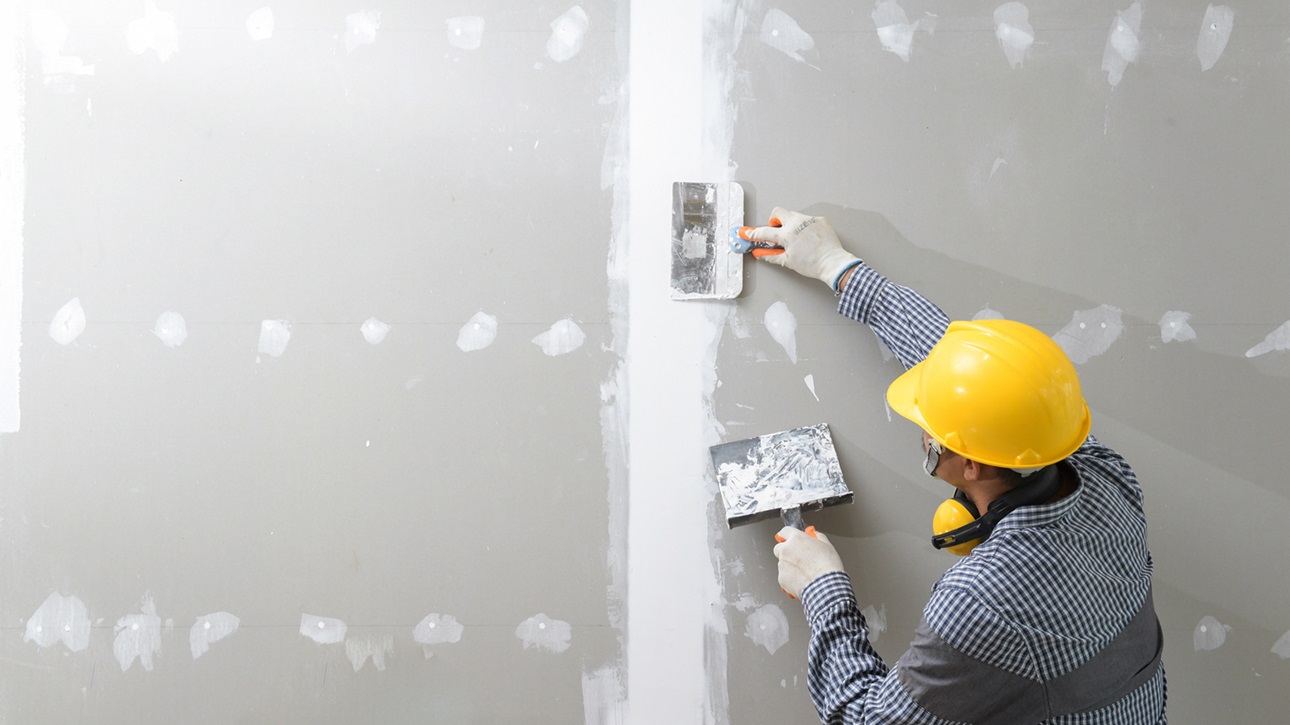
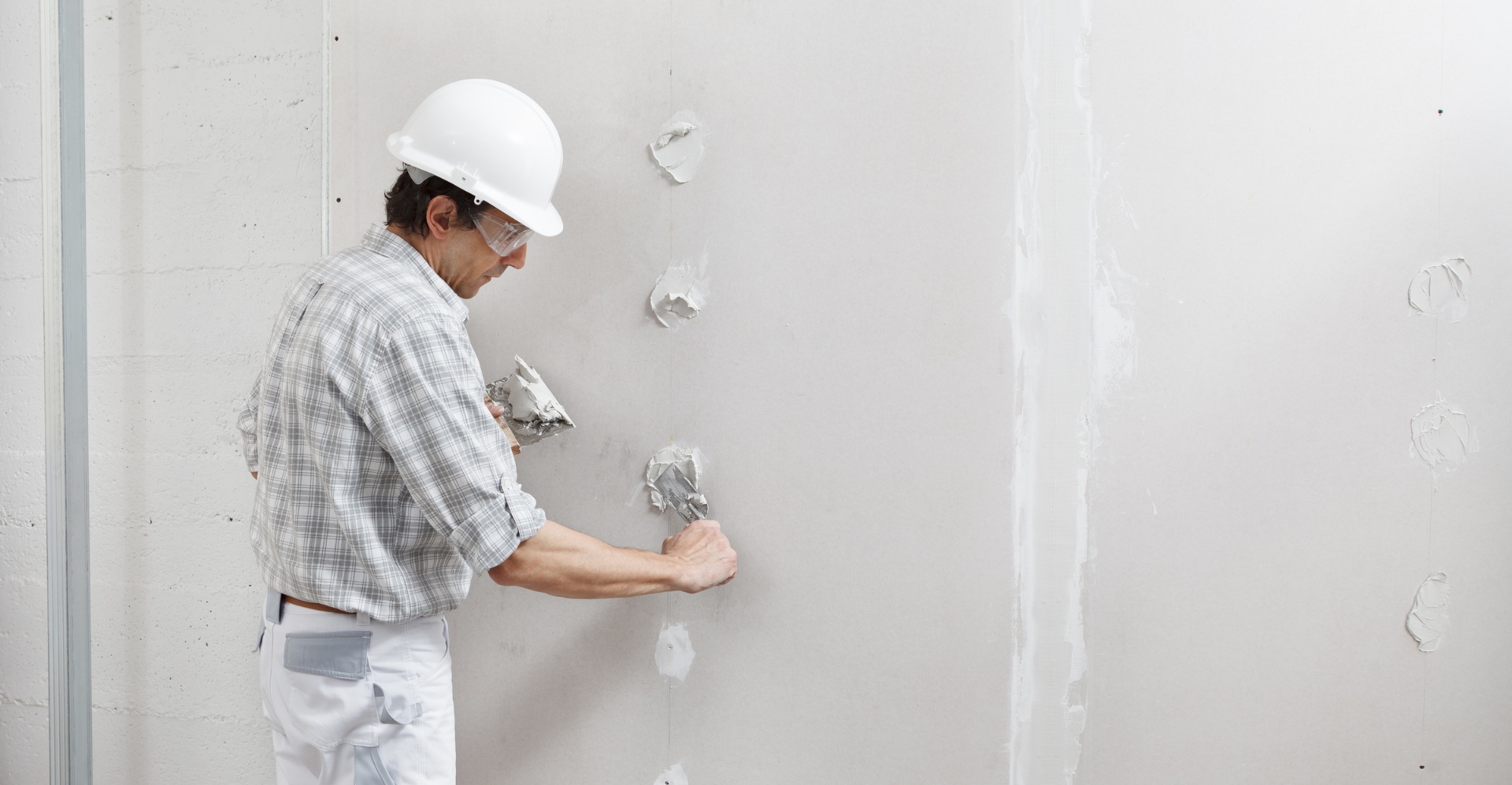
For straightforward cosmetic ceiling cracks, the standard repair technique involves cutting out the compromised tape joint, applying fresh tape and compound, then refinishing the surface. Begin by scoring both sides of the crack with a utility knife and removing the old tape and any loose compound. Clean the exposed area and apply a base coat of compound. Embed new tape – fiberglass mesh tape is often favored for ceiling repairs due to its superior resistance to re-cracking compared to paper tape – and apply a thin cover coat. After drying, sand smooth and apply a second coat, feathering it out at least six inches past the tape edges. Our [drywall finishing and texturing](/services/drywall-finishing-texturing) experts utilize specialized overhead methods to achieve seamless ceiling repairs that blend perfectly with the existing finish.
When Ceiling Cracks Demand More Than a Surface Fix
Some ceiling defects necessitate more than simple re-taping. If the ceiling panels have detached from the joists – a condition visible as sagging or unevenness in the surface – the panels must be re-secured with drywall screws driven into the joists before the joints are re-taped. If the original ceiling was installed with nails, adding screws between the existing nails pulls the panels firmly against the framing, preventing further movement. In severe instances where panels have fractured through the gypsum core rather than just at tape joints, section replacement becomes essential. For ceilings displaying extensive cracking and sagging, particularly in older homes in [Norwalk](/locations/connecticut/norwalk) and surrounding localities where original plaster ceilings were covered with drywall, removing the failing layer and starting fresh sometimes yields a better outcome than attempting numerous patches.
Strategies for Mitigating Future Ceiling Damage
While completely eliminating ceiling cracks in an older home is challenging, several tactics can significantly reduce their occurrence. Maintaining consistent indoor temperature and humidity levels minimizes the thermal cycling that stresses joints. Ensuring attic insulation is adequate and uniformly distributed lessens temperature differences that contribute to truss uplift and panel stress. If your residence is prone to recurring cracks at specific joints, employing flexible caulk instead of rigid joint compound in those areas allows the joint to flex without cracking. Controlling vibrations – by installing underlayment on floors above, for example – reduces the transmitted energy that loosens fasteners and stresses tape joints. These measures won't eradicate all cracking, but they will substantially extend the time between repairs and diminish the severity of any cracks that do materialize.
Need Professional Drywall Help?
Contact Expert Drywall Repairs for a free estimate on your next project.
Get a Free QuoteLooking for drywall repair services in your area? Browse our full service directory by city.