Foundation movement is a frequent culprit behind unsightly drywall cracks. Grasping the root cause is paramount for achieving a durable fix.
The Connection Between Foundation Shifts and Drywall Damage
Every residential structure experiences some degree of settling over its lifespan. When the ground supporting a foundation expands, contracts, or shifts due to variations in moisture content, the entire slab or pier-and-beam system moves. Even slight displacement can exert significant pressure on the wooden framework above. As a rigid yet brittle material, drywall often displays the initial visible evidence of this stress. Cracking tends to emerge in the wall's weakest points, such as around door and window casings or where walls meet ceilings. This issue is particularly common in Texas, where expansive clay soils frequently contribute to seasonal ground expansion, placing continuous strain on foundations and, consequently, interior walls. Residents in [Houston](/locations/texas/houston) and [Dallas](/locations/texas/dallas) frequently contend with these recurring soil-related stresses.
Distinguishing Settlement Cracks from Cosmetic Shrinkage
Not all drywall cracks signify a foundational problem. Minor, thin cracks appearing within the first year or two post-construction are typically due to wood shrinkage or joint compound drying — these are superficial and easily mended. In contrast, cracks stemming from settlement are generally diagonal, wider than a credit card's edge, and often concentrated around structural openings like windows and doors. Their recurrence after repair strongly suggests ongoing underlying movement. Other indicators of structural cracking include doors that no longer close properly or noticeably uneven flooring. A skilled contractor can help differentiate between these types of cracks and recommend the appropriate course of action.
How Texas Soil Conditions Affect Drywall Integrity
Texas possesses some of the nation's most challenging soil types for residential foundations. The Blackland Prairie region, extending from [San Antonio](/locations/texas/san-antonio) through [Fort Worth](/locations/texas/fort-worth) and beyond, predominantly consists of expansive clay that undergoes significant swelling when wet and shrinking when dry. This continuous cycle of expansion and contraction imposes repeated stress on foundations, leading to heaving, settling, or cracking over time. During extended dry periods, the soil retracts from the foundation's perimeter, removing crucial lateral support. When heavy rains return, the rapid re-expansion can exert pressure on the foundation in the opposite direction. Each cycle contributes to new stress fractures in the building's framework and drywall. Maintaining consistent soil moisture around your foundation, through effective drainage and soaker hoses during dry spells, is a key preventative measure.
Step-by-Step Repair Process for Foundation-Related Drywall Damage
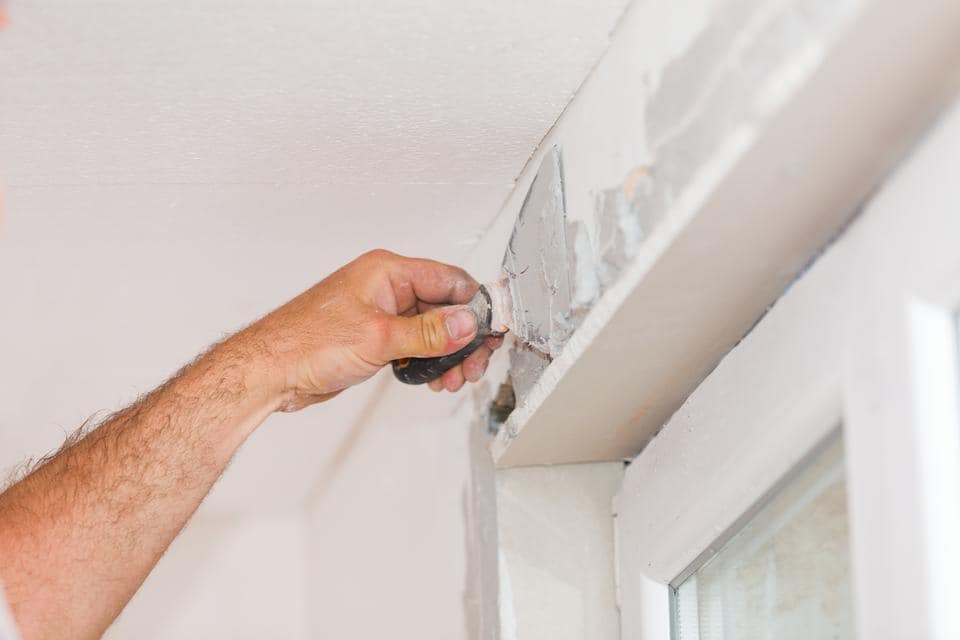
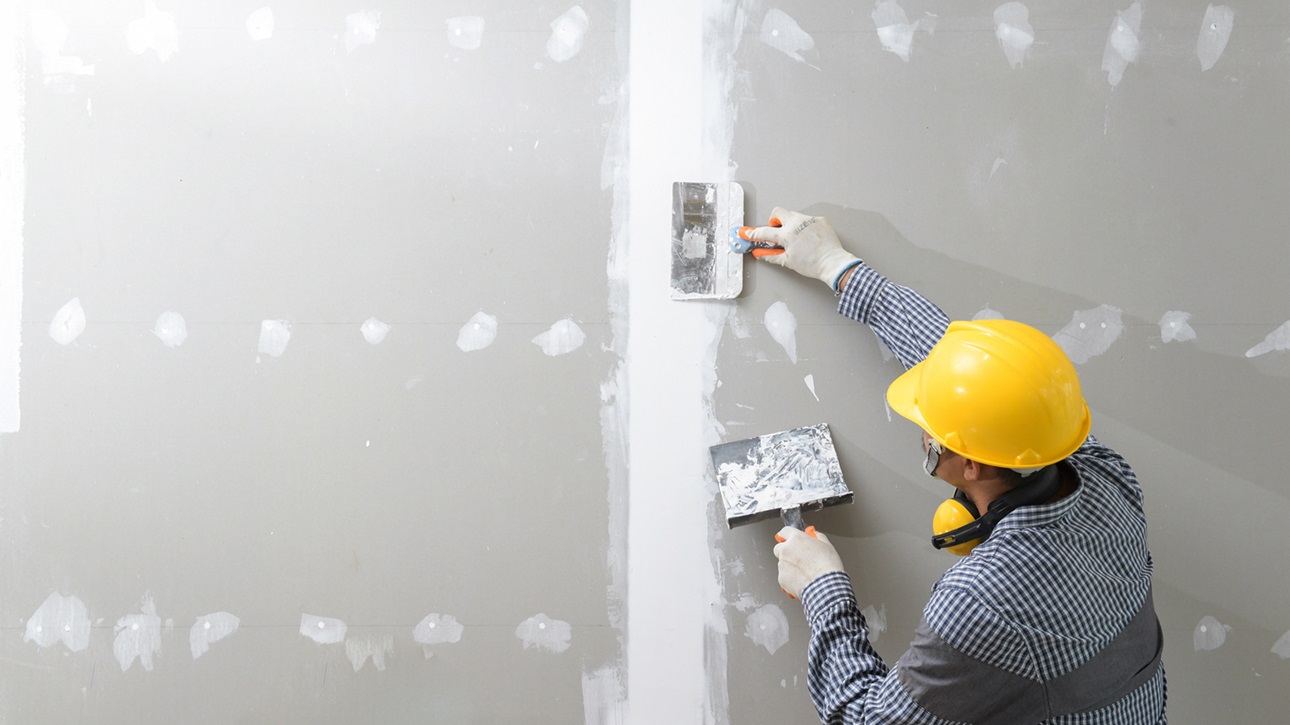
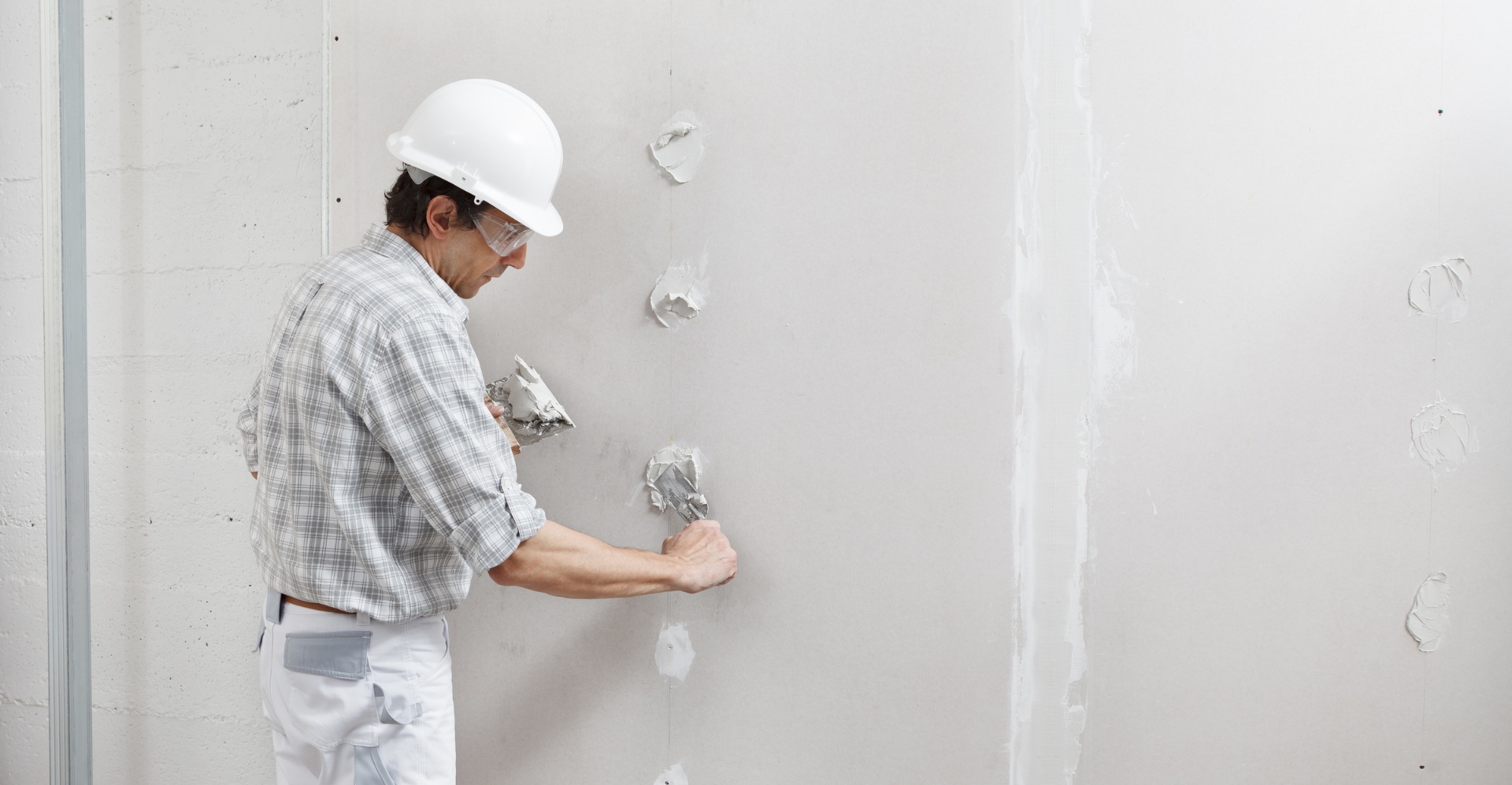
Once any foundation movement has ceased (either through stabilization or natural cessation), repairing the drywall cracks themselves becomes a manageable task, though it requires precise application. Begin by slightly widening the crack using a utility knife to create a V-groove, which helps the compound adhere better. Clear away any loose debris or dust. Apply a thin layer of setting-type joint compound into this groove, then firmly embed paper or fiberglass mesh tape over the crack. Allow this initial coat to dry completely before applying a second, broader coat that feathers out several inches on both sides. A third, final coat, sanded smooth, will complete the repair. For cracks that have repeatedly reappeared, consider incorporating flexible joint compound or elastomeric caulk in the initial fill layer; these products are designed to accommodate minor future shifts without re-cracking. Our team at [professional drywall repair](/services/drywall-repair) consistently utilizes these advanced methods to ensure durable results.
Prioritizing Foundation Repair Before Drywall Work
Simply patching drywall cracks without addressing the underlying foundation cause is akin to painting over rust – the issue will invariably return. If the cracks are wider than a quarter-inch, appear to be growing, or if you observe multiple cracks manifesting simultaneously in various rooms, a professional foundation assessment should precede any cosmetic repairs. Foundation repair solutions vary based on soil composition and the severity of the movement. Common methods in the [Austin](/locations/texas/austin) area include pressed pilings, drilled piers, and helical piers. Once the foundation is stabilized, you can proceed with drywall repairs, confident that the cracks will not re-emerge. Many foundation contractors provide transferable warranties, which can also enhance your home's resale value.
Strategies to Mitigate Future Drywall Cracks from Soil Movement
Preventive measures are consistently more economical than rectifying damage. Begin with ensuring proper drainage: confirm that gutters direct water a minimum of four feet away from the foundation and that the ground slopes away from the house on all sides. In regions prone to drought, placing a soaker hose 12 to 18 inches from the foundation can help maintain consistent moisture levels in clay soil. Indoors, monitor humidity levels and utilize a dehumidifier in crawl spaces or basements if applicable. During renovation projects, inquire with your contractor about implementing flexible corner beads and control joints in extensive wall sections; these allow for minor structural movement without visible cracking. Finally, keep large trees a safe distance from the foundation, as their root systems can draw substantial moisture from the soil, accelerating differential settling.
Seeking Expert Assistance for Structural Drywall Issues
If you're uncertain whether your drywall cracks are purely cosmetic or indicative of a structural concern, a professional evaluation is the most prudent course of action. An experienced drywall contractor can analyze the crack patterns, dimensions, and locations to ascertain the probable cause and recommend the most fitting repair strategy. Often, a combined approach—stabilizing the foundation followed by thorough drywall restoration—yields the most effective long-term results. Homeowners across Texas, from [Dallas](/locations/texas/dallas) to [San Antonio](/locations/texas/san-antonio), rely on Expert Drywall Repairs to diagnose and resolve crack damage originating from foundation movement. Contact us for a complimentary inspection and a tailored estimate for your home's unique requirements.
Need Professional Drywall Help?
Contact Expert Drywall Repairs for a free estimate on your next project.
Get a Free QuoteLooking for drywall repair services in your area? Browse our full service directory by city.