Addressing drywall damage in rental properties often leads to questions about who is responsible and who pays. This guide clarifies the expectations for both property managers and tenants.
The Drywall Damage Discussion in Rental Housing
Damage to drywall frequently emerges as a primary point of contention between property owners and renters during move-out evaluations. Minor imperfections like small nail holes from hanging artwork, light scuffs from furniture, and slender settling cracks are generally considered typical wear and tear – which falls under the landlord's purview to fix between occupants. Conversely, larger perforations, impact marks, unapproved alterations, and overlooked water damage are typically the tenant's responsibility. The challenge arises in the ambiguous situations, where reasonable individuals might disagree on whether specific damage constitutes routine use or neglect. Landlords overseeing properties in [Minneapolis](/locations/minnesota/minneapolis) and [Saint Paul](/locations/minnesota/saint-paul) should implement clear documentation and lease stipulations to mitigate such disagreements.
Defining Ordinary Wear and Tear
Most state-level landlord-tenant statutes acknowledge that rental properties will naturally degrade through regular use, and landlords cannot charge tenants for this depreciation. Specifically for drywall, normal wear typically encompasses small holes from standard picture hangers, light scuff marks at furniture height, hair-thin cracks due to building settling, minor discoloration from everyday living, and tiny punctures from common wall-mounted items. These are the expected outcomes of residing in a space and should be anticipated and budgeted for as part of ongoing property upkeep. The crucial distinction is 'reasonable' – a few nail holes per room are normal, but dozens of anchor holes, toggle bolt damage, or unauthorized shelf installations cross the line into tenant-chargeable damage.
Tenant-Caused Drywall Imperfections
Damage that exceeds the scope of normal wear and tear is usually the tenant's financial obligation, either via deductions from the security deposit or direct payment. This category includes significant holes from doorknob collisions or physical impacts, unapproved wall modifications such as cutting out niches or removing sections, water damage resulting from tenant oversight like failing to report leaks or leaving windows open during inclement weather, pet-related damage including scratches and chewing, and discoloration from smoking or other substances that cannot be cleaned with routine methods. In [Rochester](/locations/minnesota/rochester) and [Bloomington](/locations/minnesota/bloomington), property managers often report that doorknob holes and pet damage are the most prevalent types of tenant-responsible drywall damage encountered during unit turnovers.
Between-Tenancy Repairs: Efficiency and Cost Savings
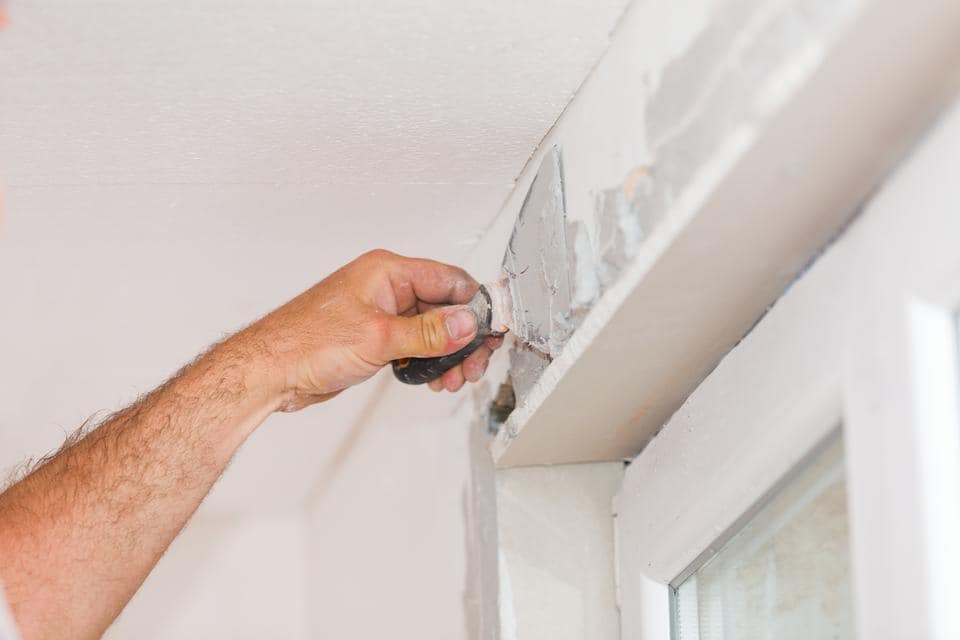
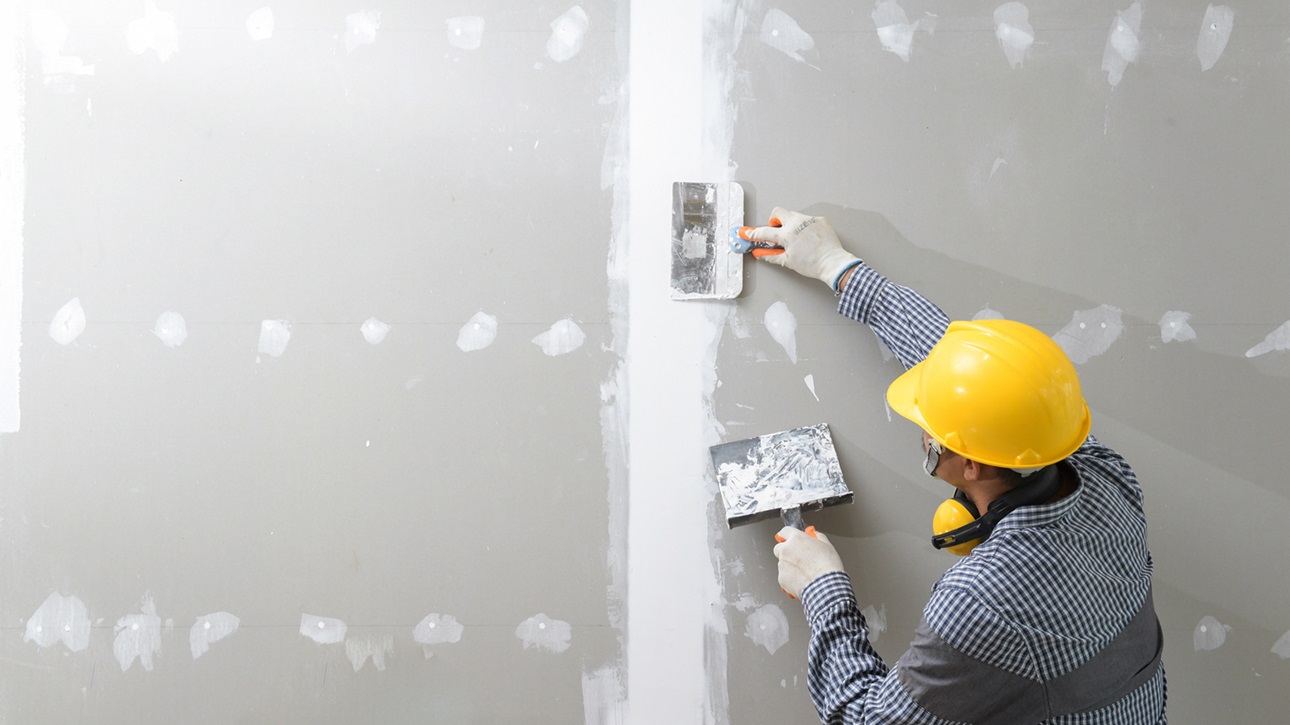
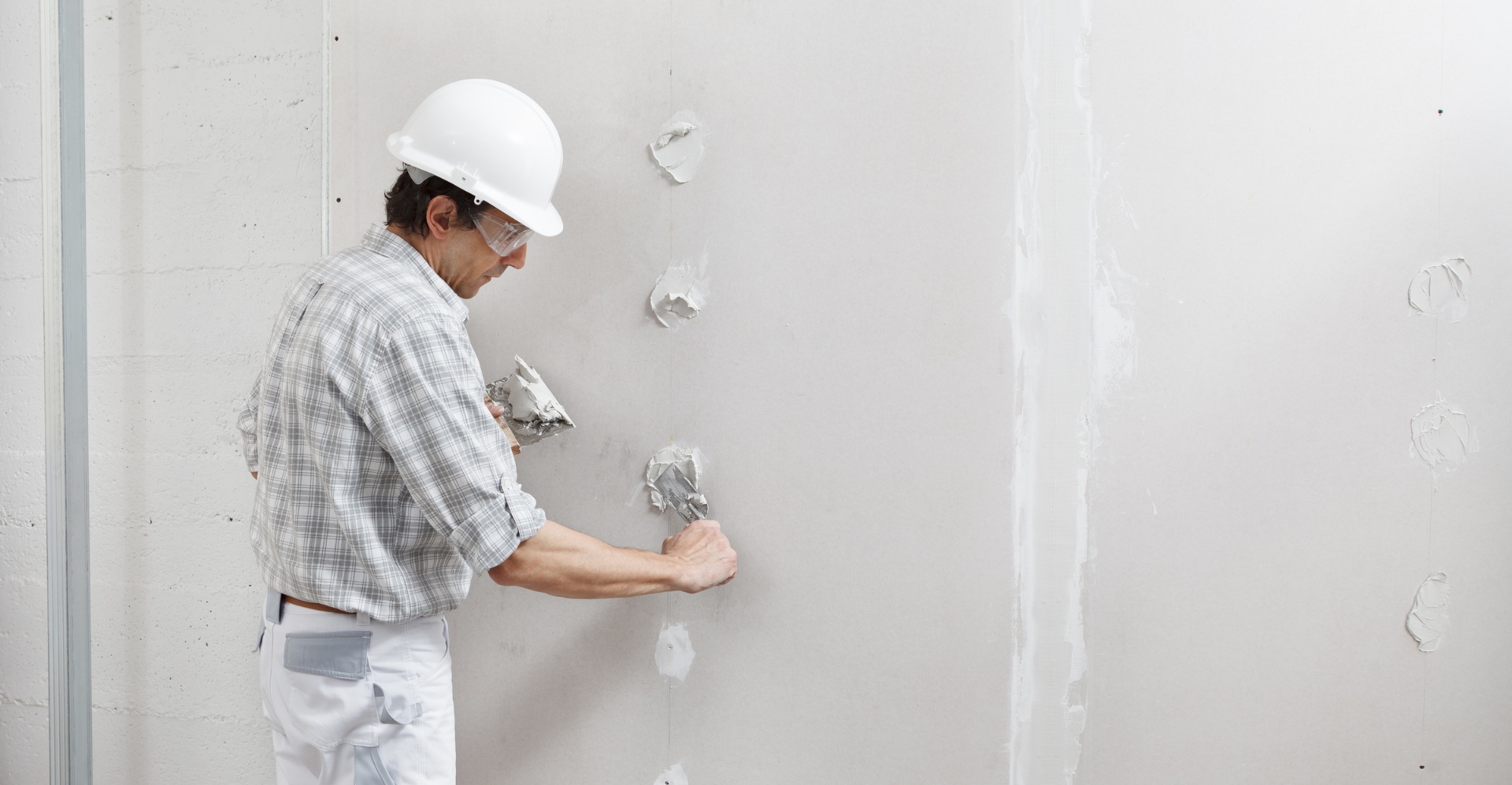
During tenant transitions, property owners face pressure to complete repairs swiftly to minimize the duration a unit remains vacant. Each day a unit sits empty translates to lost rental income, making efficient drywall repair directly linked to profitability. Professional contractors specializing in rental turnover work understand this urgency. They can consolidate multiple minor repairs — patching holes, addressing nail pops, touching up corners, and fixing door-related damage — into a single, efficient service visit. For properties with more extensive damage, having a trusted contractor who can respond promptly is key to a shorter turnover period, potentially saving weeks. Our [drywall repair](/services/drywall-repair) team collaborates with property managers across [Duluth](/locations/minnesota/duluth) and neighboring areas to ensure rapid turnaround on turnover repairs without compromising quality.
Optimal Documentation Practices for All Parties
The best safeguard for both landlords and tenants involves comprehensive documentation at the beginning and end of a lease. A detailed move-in inspection report, coupled with photographs of every room – including close-ups of any pre-existing damage – establishes a clear baseline. The same level of documentation at move-out enables objective comparison. Landlords should utilize a standardized checklist that specifically notes drywall condition in each room, covering walls, ceilings, and corners. Tenants should always request a copy of the move-in report and should also take their own photographs. When disputes arise, photographic evidence from both time points usually clarifies whether damage predated the tenancy or occurred during it.
Economical Repair Approaches for Property Owners
Savvy landlords view drywall maintenance as a regular operating expense rather than an unexpected cost. Cultivating a relationship with a dependable drywall contractor often leads to quicker service and potentially discounted rates for volume. Opting for durable, scuff-resistant paint designed for rental properties reduces the need for frequent repainting. Installing door stops to prevent doorknob damage eliminates one of the most common repair requirements. Utilizing chair rail molding in hallways and dining areas shields walls from furniture impacts. For properties with high turnover rates, scheduling routine professional inspections can identify minor issues before they escalate. These proactive measures lower per-turnover costs and maintain units in better condition over the long term.
When to Upgrade Rather Than Continually Repair
Repeated fixes to the same wall areas can sometimes indicate that a different strategy is needed. If a specific spot sustains damage during every tenancy – such as a hallway corner prone to furniture strikes, a wall behind a door lacking a stop, or a bathroom ceiling with persistent moisture problems – resolving the underlying cause is more cost-effective than continuous repair. Investing in impact-resistant drywall in high-traffic zones, installing corner guards, adding moisture-resistant panels in bathrooms, and improving ventilation are all upgrades that can pay for themselves within a few tenant cycles. For [Saint Paul](/locations/minnesota/saint-paul) property owners managing multiple units, these enhancements lead to significant long-term savings and reduced management complexities.
Need Professional Drywall Help?
Contact Expert Drywall Repairs for a free estimate on your next project.
Get a Free QuoteLooking for drywall repair services in your area? Browse our full service directory by city.