Many homeowners are unsure if their walls are gypsum board or plaster, yet the repair processes diverge significantly. Pinpointing your wall type is the essential first step.
Recognizing Your Walls: Drywall or Plaster Identification
Before addressing any wall damage, it's crucial to ascertain its composition. While drywall and plaster might appear similar superficially, they are fundamentally distinct substances requiring varied repair tactics. The easiest identification method is to search for a seam — drywall panels meet in straight lines, concealed by tape and joint compound, whereas plaster surfaces are continuous without any panel joints. You can also press a thumbtack into the wall: it penetrates drywall effortlessly but barely pierces plaster. Removing a switch plate and examining the edge of the wall opening clearly reveals the construction — drywall displays a consistent white or gray gypsum panel, while plaster features a thick, hard coating over wooden lath strips or metal mesh. Residences constructed before 1950 in locales such as [Des Moines](/locations/iowa/des-moines) and [Cedar Rapids](/locations/iowa/cedar-rapids) frequently possess original plaster walls, whereas those built post-1960 almost invariably feature drywall.
Examining the Constructional Variations
Drywall consists of gypsum plaster compressed between two sheets of robust paper, fabricated into standard four-by-eight-foot panels that are screwed to framing. It is uniform, predictable, and comparatively simple to cut, patch, and finish. Plaster, conversely, is a multi-layered system: wooden or metal lath is affixed to the studs, and plaster is applied in two or three coatings — a scratch coat that interlocks with the lath, a brown coat for leveling, and a finish coat for the smooth exterior. The outcome is a wall that is tougher, denser, more sound-absorbent, and more challenging to patch than drywall. Plaster walls also exhibit irregular thickness and might not be perfectly flat, which influences how repairs integrate with the adjacent surface.
Fixing Drywall: Standard Procedures
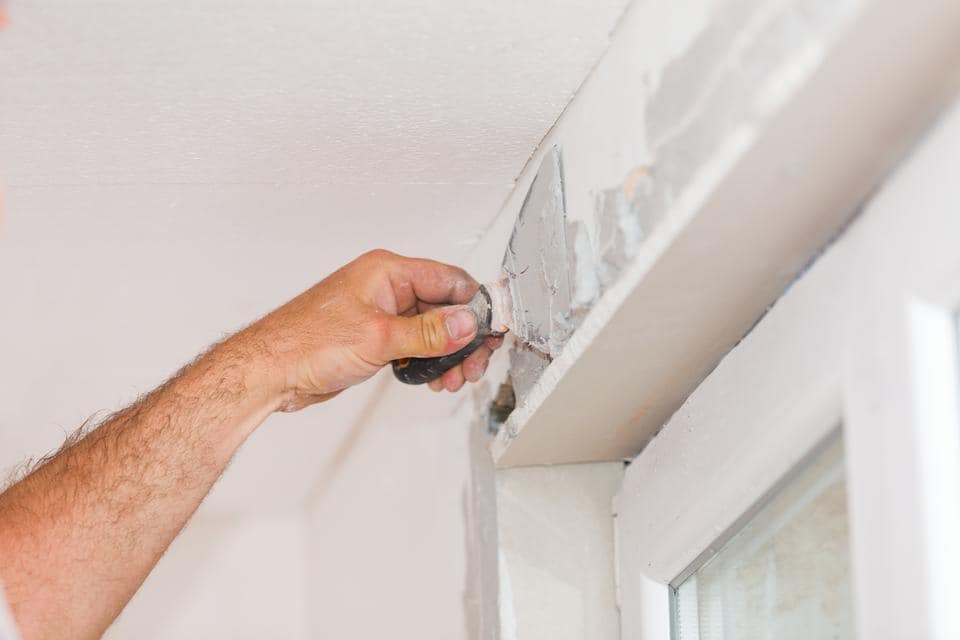
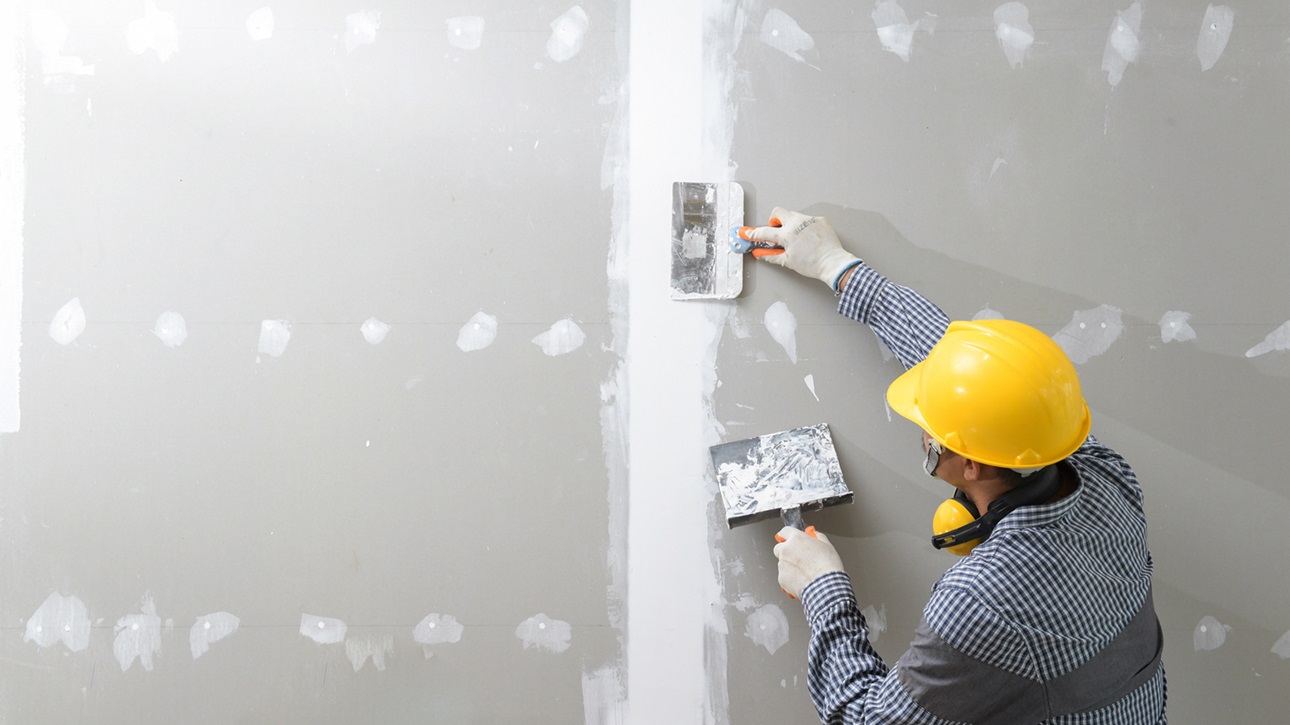
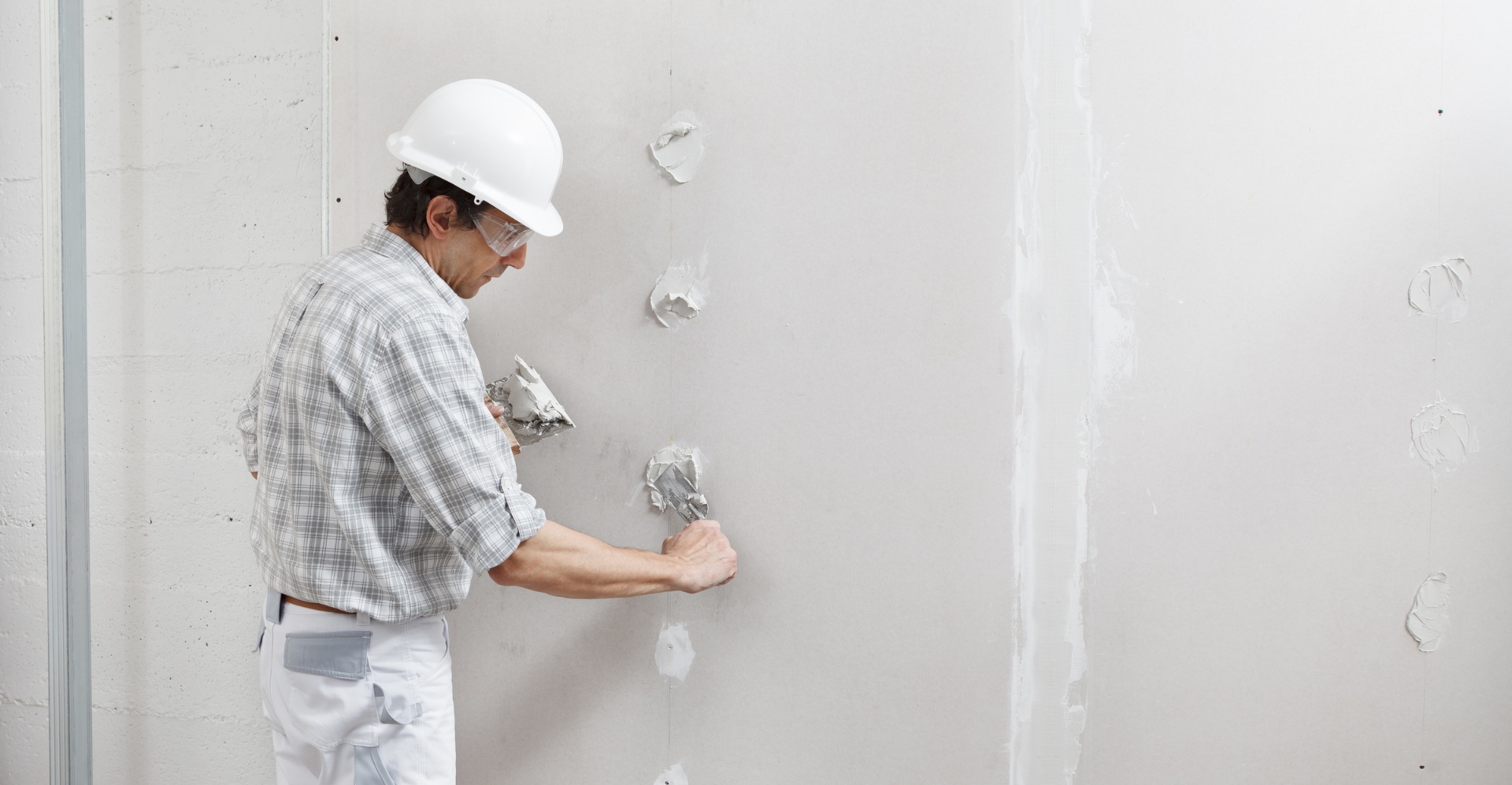
Drywall remediation is highly standardized and utilizes commonly available supplies. Minor holes are mended with joint compound and mesh tape. Larger perforations necessitate a replacement piece of drywall cut precisely to fit the opening, secured to backing material or adjacent studs, and completed with tape and compound. Cracks are typically re-taped with fresh tape and compound. The repair materials — joint compound, tape, and gypsum panels — are economical and accessible at any hardware store. The finishing process is straightforward: apply compound, allow it to dry, sand smooth, repeat until the surface is flush and indiscernible under paint. Our [drywall repair](/services/drywall-repair) crew handles everything from small patches to extensive section replacements across [Davenport](/locations/iowa/davenport) and [Sioux City](/locations/iowa/sioux-city).
Mending Plaster: A Distinct Skill Set Required
Plaster repair demands specific materials, methods, and patience compared to drywall repair. Minor cracks and holes in plaster can be filled with setting-type joint compound or plaster patching compound, but the existing plaster must be clean, stable, and firmly bonded to the lath for the patch to hold. More significant areas of damage — where the plaster has detached from the lath, known as delamination — require screwing the plaster back to the lath with plaster washers or removing the damaged section entirely. When plaster is removed, the lath behind it is exposed, and the repair can proceed in two ways: re-plastering over the lath for an authentic historical repair, or installing a drywall patch in the opening and finishing it to match the surrounding plaster surface. The latter approach is more common because it is quicker and less expensive, though achieving the thickness and surface texture of original plaster requires expertise.
Common Errors When Applying Drywall Techniques to Plaster
A frequent error involves treating plaster walls as if they were drywall. Standard paper drywall tape doesn't adhere well to hard plaster surfaces, and pre-mixed joint compound can crack when applied in the thick layers necessary to blend with a thicker plaster profile. Using drywall screws without plaster washers can fracture the surrounding plaster as the screw is driven. Sanding plaster generates much finer, harder dust that rapidly dulls sandpaper and can harm adjacent surfaces if done aggressively. Perhaps the most significant misstep is attempting to render a plaster wall perfectly flat during a repair — original plaster possesses natural undulations that constitute part of its character, and a patch that is perfectly flat will actually stand out from the subtly wavy surrounding surface. Homeowners in [Iowa City](/locations/iowa/iowa-city) restoring older residences should seek contractors specifically skilled with plaster to avoid these common pitfalls.
Is Converting Plaster Walls to Drywall a Wise Choice?
Some homeowners facing extensive plaster damage consider converting an entire room or even the whole house to drywall. This process entails removing all the plaster and lath down to the bare studs and installing drywall in its place. The benefits include reduced future repair expenses, simpler renovation projects, and the opportunity to add modern insulation within the wall cavities. However, the drawbacks are considerable: the undertaking is exceedingly messy and labor-intensive, the walls might actually lose some soundproofing quality, and in historic homes, removing original plaster can diminish property value and may contravene local preservation regulations. Our [sheetrock replacement](/services/sheetrock-replacement) crew can assess your specific situation and advise whether a conversion is appropriate for your residence, considering the state of the existing plaster, your renovation aspirations, and any historical preservation factors.
Need Professional Drywall Help?
Contact Expert Drywall Repairs for a free estimate on your next project.
Get a Free QuoteLooking for drywall repair services in your area? Browse our full service directory by city.