Garage drywall isn't just about appearances; it's a vital safety element. Understanding fire code regulations ensures your repair meets necessary building compliance.
The Unique Role of Garage Drywall Compared to Your Home's Interior
The gypsum board in your garage serves a very different purpose than the walls in your living areas. In attached garages, the wall and ceiling structures separating the garage from living spaces are designated as fire-separation assemblies by the International Residential Code. Their primary function is to impede the spread of fire and hazardous gases from the garage — a common storage spot for flammable fuels, chemicals, and vehicles — into the inhabited parts of your home. This distinction means that garage drywall repairs aren't merely aesthetic tasks. Using incorrect materials, leaving unsealed gaps, or failing to properly finish joints can compromise the fire rating of the assembly, endangering your family. Homeowners in [Las Vegas](/locations/nevada/las-vegas) and [Henderson](/locations/nevada/henderson), where attached garages are standard, should be particularly mindful of these regulations.
An Introduction to Type X Fire-Resistant Drywall
The most crucial detail regarding garage drywall is that building codes typically mandate Type X gypsum board for walls and ceilings delineating the garage from habitable spaces. Type X drywall is 5/8 inch thick and incorporates glass fibers within its gypsum core to enhance its integrity during a fire. A single layer of Type X provides a minimum one-hour fire resistance rating, meaning it can withstand fire for at least 60 minutes before structural failure. This affords a critical safety buffer, allowing occupants to evacuate and firefighters to respond. Standard half-inch drywall doesn't meet this specific requirement, so any repair to a fire-rated wall or ceiling must utilize the correct material. Before purchasing materials or commencing work, always confirm if the assembly requires Type X when performing garage drywall repairs.
Frequent Drywall Issues in Garages
Garages are demanding environments for drywall. Common types of damage include impact holes from opening car doors, stray ladder tips, and stored items bumping into walls. Since garages are rarely climate-controlled, the drywall also endures temperature extremes and humidity fluctuations, which can lead to joint compound cracking and tape delamination over time. In regions like [Reno](/locations/nevada/reno) and [North Las Vegas](/locations/nevada/north-las-vegas), where desert temperatures vary significantly between day and night, thermal expansion and contraction put stress on drywall joints and fasteners. Water intrusion is another frequent problem, particularly along the bottom edges of walls where rain might seep in under the garage door or where the concrete slab meets the wall framing. Any repair should address both the visible damage and its underlying cause to prevent recurrence.
Fire Safety Regulations for Garage Partitions
While specific code requirements differ by locality, the International Residential Code provides the foundation that most local codes adopt. For attached garages, the dividing wall between the garage and living area must have at least a one-hour fire resistance rating, achieved with 5/8-inch Type X drywall. The garage ceiling, if there's living space above, also requires Type X. All joints must be taped and finished; leaving gaps or unfinished seams negates the fire barrier's purpose. Penetrations for electrical outlets, plumbing, and HVAC ducts must be properly sealed with fire-rated materials. The door connecting the garage to the house must be a solid-core, fire-rated door and must be self-closing. Our [drywall installation](/services/drywall-installation) team ensures every garage project meets or exceeds local fire code requirements.
Repair Methods for Fire-Rated Drywall Assemblies
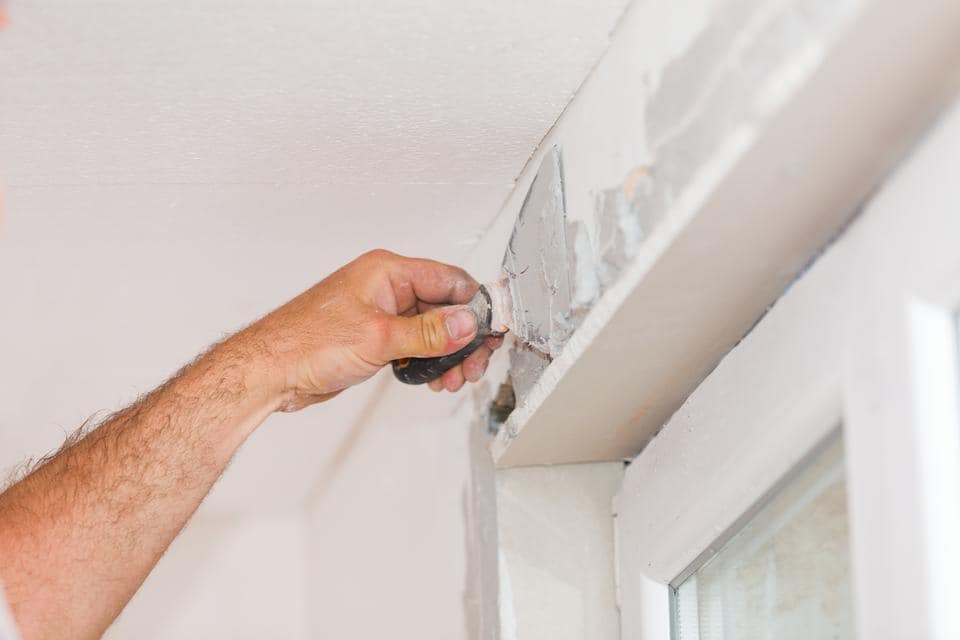
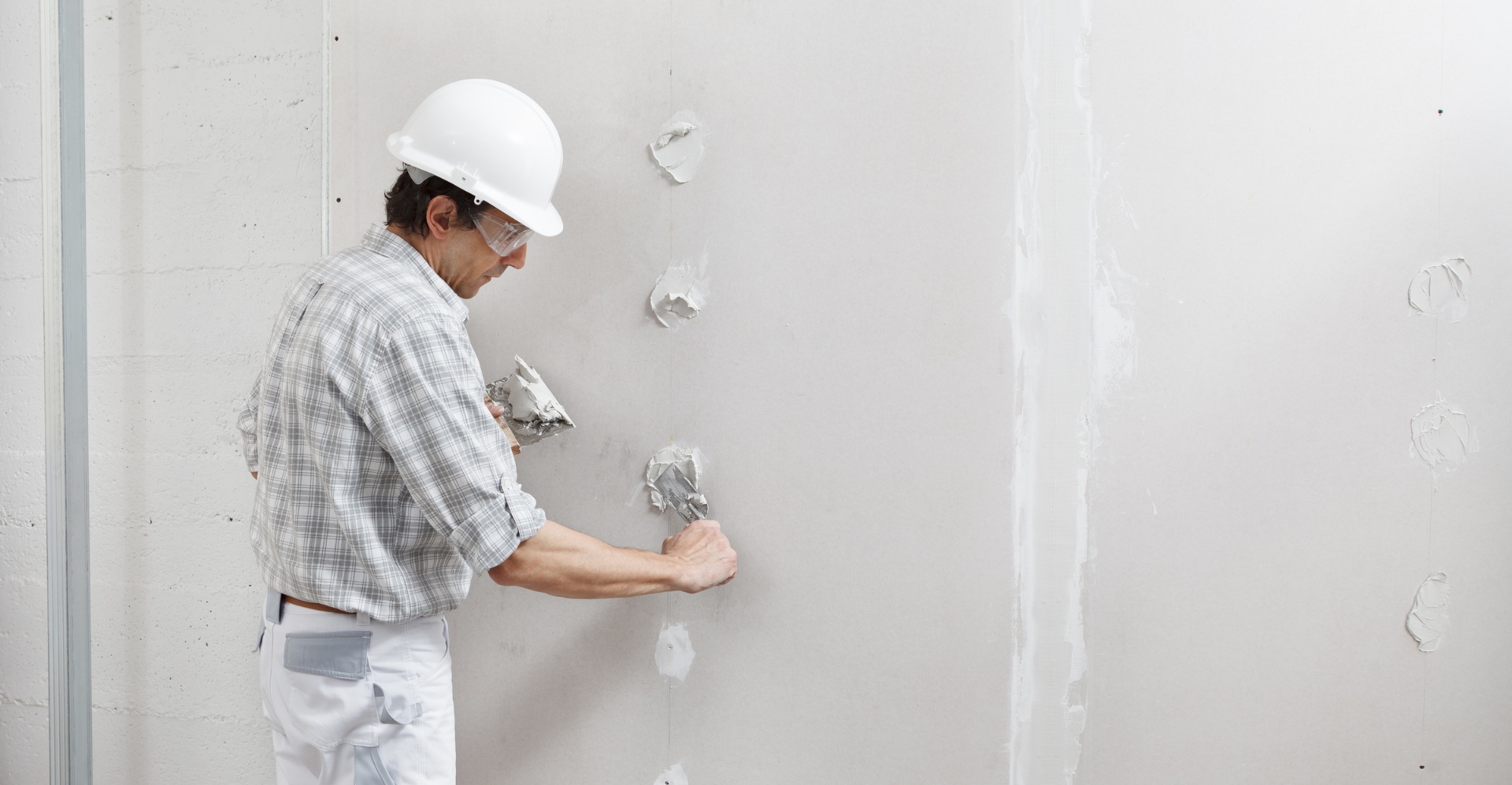
Repairing fire-rated drywall demands more precision than typical wall repairs. When patching a hole in a Type X wall, the replacement piece must also be Type X; using standard half-inch drywall as a patch in such an assembly is unacceptable. The patch needs to be securely fastened to framing or blocking, and all seams must be fully taped and finished with joint compound. Simply covering a hole with a metal patch plate and compound, which is fine for standard walls, does not restore the fire rating. For larger damaged areas, the affected section should be cut back to the nearest studs, and a full piece of Type X installed. Any insulation behind the wall should be inspected and replaced if damaged. The objective is to restore the assembly to its original fire rating without creating weak points.
Finishing Standards for Garage Walls
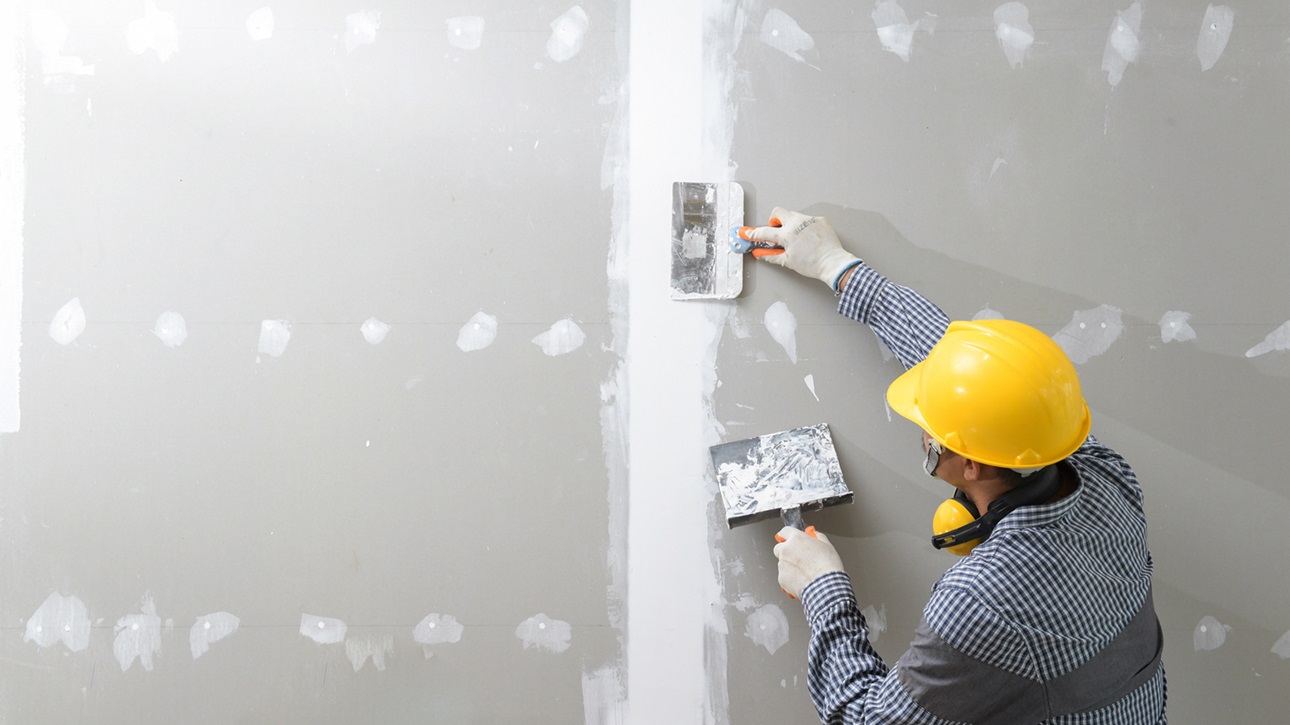
Although garage walls don't require the same high-end finish as interior living spaces, they must be properly finished to maintain their fire rating. At a minimum, all joints need to be taped and covered with at least two coats of joint compound — typically a Level 3 or Level 4 finish. Some homeowners opt to leave garage walls at this stage and paint directly, while others prefer a smoother finish for a cleaner look. If you're converting a section of your garage into a workshop, home gym, or additional living space, a higher-quality finish becomes more important for both aesthetics and fire protection. Homeowners in [Sparks](/locations/nevada/sparks) often invest in better garage finishing as part of property improvement projects that expand their usable square footage.
When to Engage a Professional for Garage Drywall Work
Garage drywall projects are an area where professional assistance is highly recommended. The significant fire code implications mean that improper repairs can create genuine safety risks and potentially cause problems during home inspections and real estate transactions. A professional contractor understands which walls necessitate fire-rated materials, how to correctly seal penetrations, and how to achieve the necessary finish level for code compliance. They also carry insurance that protects you if any issues arise during the project. If you are uncertain whether your garage walls are part of a fire-rated assembly, a contractor can assess the existing construction and advise you on the appropriate approach for any repairs or modifications.
Need Professional Drywall Help?
Contact Expert Drywall Repairs for a free estimate on your next project.
Get a Free QuoteLooking for drywall repair services in your area? Browse our full service directory by city.