You don't need a flood to ruin your drywall. Persistent humidity and insufficient ventilation contribute to a slow, continuous degradation that worsens over time.
The Gradual Impairment You May Not Anticipate
While water damage from a burst pipe or roof leak is immediately apparent and demands quick action, humidity damage operates more insidiously. It progresses slowly over many months and years, often going unnoticed until the deterioration is significant. Continuously high indoor humidity—levels consistently exceeding 60 percent relative humidity—creates conditions where drywall gradually absorbs atmospheric moisture. This absorption weakens the gypsum core, compromises the paper facing, and establishes an ideal breeding ground for mold within wall cavities, where it remains hidden from view. By the time homeowners in [Louisville](/locations/kentucky/louisville) and [Lexington](/locations/kentucky/lexington) observe peeling paint, musty odors, or soft spots in their drywall, the underlying damage has typically been ongoing for a considerable period.
Initial Locations for Humidity-Related Damage
Certain areas within a home are considerably more susceptible to humidity damage than others. Bathrooms lacking exhaust fans, or with fans that vent into the attic instead of outside, are common problem zones. Kitchens without range hoods or with hoods that recirculate air rather than venting outdoors trap cooking moisture. Laundry rooms where dryers vent indoors release substantial amounts of moisture into the air. Basements and crawl spaces contribute ground moisture that rises upward. Closets on exterior walls, where limited air circulation allows moisture to accumulate, often show damage before adjacent rooms. Ceilings of top-floor rooms beneath poorly ventilated attics can suffer from condensation during colder months. In [Bowling Green](/locations/kentucky/bowling-green) and [Owensboro](/locations/kentucky/owensboro), the humid subtropical climate exacerbates these internal moisture sources, creating challenging conditions for preserving drywall.
Identifying Early Indicators of Moisture Damage
Early intervention can significantly reduce the cost and scope of drywall repairs related to humidity. The initial signs are typically subtle: paint with a slightly altered sheen in certain areas, faint discoloration that might be attributed to lighting, or a mild, intermittent musty smell. As the damage progresses, paint may start to bubble or peel, wallpaper can loosen at seams and edges, and water stains might appear on ceilings and upper walls. Joint compound softens, and tape joints may develop ridges or bubbles as adhesion fails. In severe cases, drywall becomes soft to the touch, mold spots appear on the surface, and structural integrity degrades, leading panels to sag or bow. Addressing the issue at the paint-discoloration stage, rather than the mold-and-sagging stage, can result in thousands of dollars in savings on repair costs.
The Crucial HVAC Link Many Homeowners Overlook
Your heating, ventilation, and air conditioning (HVAC) system plays a vital role in humidity control that many homeowners underestimate. An air conditioner that is too large cools the house quickly but operates in short cycles, preventing the system from adequately dehumidifying the air—the coil doesn't get cold enough for a sufficient duration to extract moisture from the airstream. An undersized system runs constantly but may struggle to manage humidity loads during peak weather conditions. Ductwork that is poorly sealed or passes through unconditioned spaces like attics and crawl spaces can introduce moisture-laden air into the system. Having your HVAC system assessed for correct sizing and ductwork integrity is one of the most effective steps you can take to safeguard your drywall from humidity-related damage.
Restoring Drywall Affected by Humidity
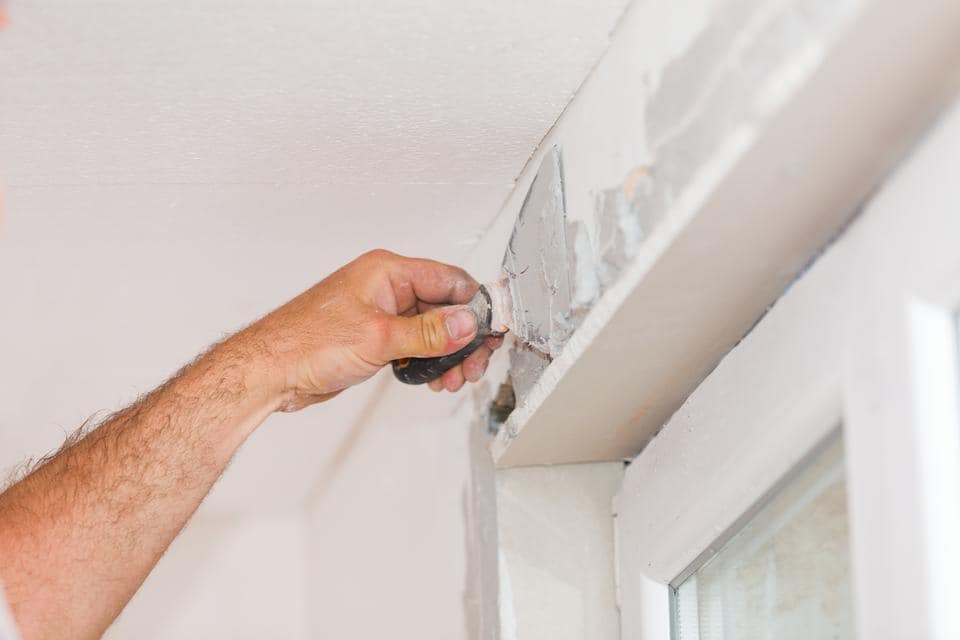
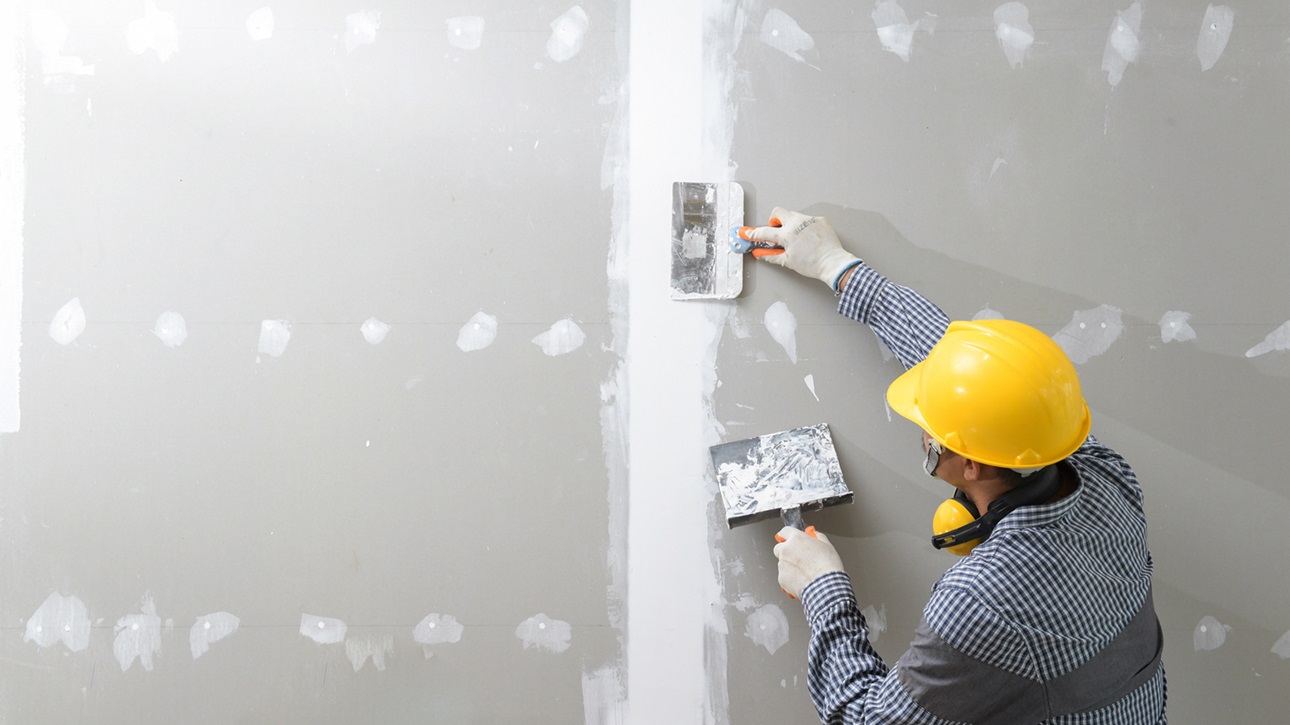
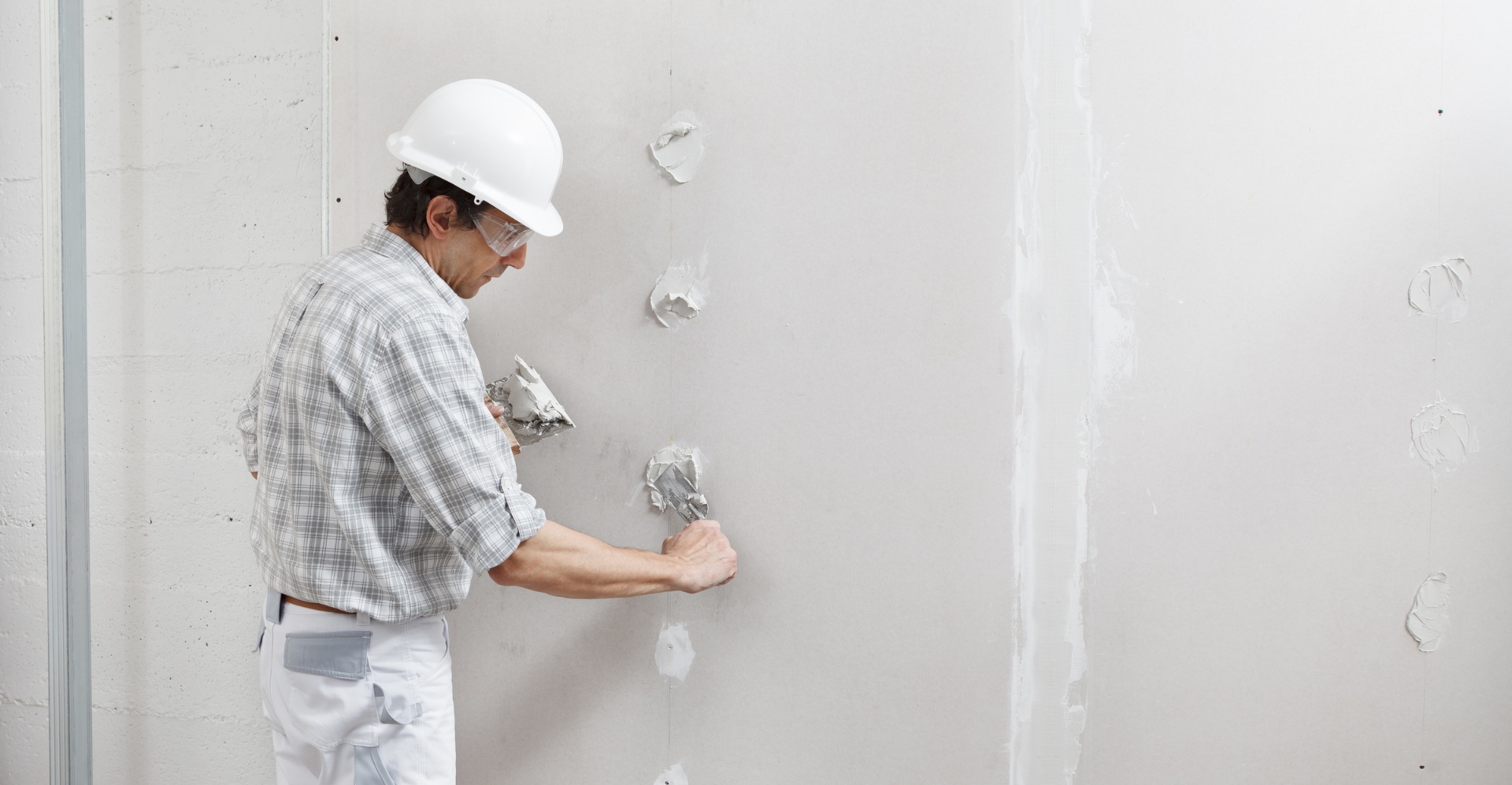
Repairing drywall damaged by chronic humidity follows the same fundamental principle as any moisture-related repair: first, resolve the moisture issue. If damaged panels are replaced without correcting the underlying ventilation, HVAC, or moisture source problem, the new drywall will likely fail again. Once humidity is controlled, all damaged material should be removed, cavities inspected and treated for mold, everything thoroughly dried, and new moisture-resistant panels installed. For [Covington](/locations/kentucky/covington) homeowners, our [drywall repair](/services/drywall-repair) specialists include a moisture assessment as part of every humidity-damage repair to ensure the root cause is identified and rectified before new materials are put in place.
Developing a Comprehensive Humidity Management Strategy for Your Home
Protecting your drywall from humidity damage requires a comprehensive approach. Install appropriately sized exhaust fans in all bathrooms and kitchens, ensuring they vent to the exterior. Confirm your dryer vents outside, not into a garage, attic, or crawl space. Operate your HVAC system's fan continuously or on a scheduled basis to circulate air throughout your home and prevent stagnant pockets of humid air. Utilize a standalone dehumidifier in basements, crawl spaces, and any rooms that consistently feel damp. Maintain your HVAC system with regular filter replacements and annual professional servicing. Monitor humidity levels using affordable hygrometers placed in vulnerable rooms. Together, these actions help maintain indoor humidity within the safe range of 30 to 50 percent, significantly extending the lifespan of your drywall, paint, and interior finishes throughout your home.
Need Professional Drywall Help?
Contact Expert Drywall Repairs for a free estimate on your next project.
Get a Free QuoteLooking for drywall repair services in your area? Browse our full service directory by city.