When drywall seams show signs of bubbling, cracking, or peeling tape, the pristine finish of your walls begins to degrade. Understanding the root causes of tape failure is essential for a truly permanent solution.
The Purpose of Joint Tape and Its Importance
Drywall sheets come in standard dimensions — typically 4 feet wide by 8, 10, or 12 feet long — meaning every wall and ceiling in your property has points where these panels connect. Joint tape serves as a bridge across these connections, and when properly embedded in joint compound, it forms a seamless surface that conceals the joints and resists fracturing. Without this tape, even superior joint compound would eventually crack at the seams due to the natural settling and movement of the building structure. There are two primary categories of drywall tape: paper tape and fiberglass mesh tape. Paper tape is the classic option, favored by professional finishers for its exceptional strength and smooth finish. Mesh tape offers a self-adhesive backing, making it simpler for novices to apply, but it's more susceptible to cracking on flat joints and is generally better suited for corner repairs or minor patching.
Reasons for Drywall Tape Bubbling and Lifting
The most frequent cause of tape detachment is insufficient compound coverage under the tape during installation. Paper tape requires full encapsulation within a wet bed of joint compound; if any section of the tape lacks contact with the compound, an air pocket will form. Over time, fluctuations in humidity cause this trapped air to expand and contract, gradually detaching the tape from the wall. This phenomenon accounts for the bubbles and raised areas often seen along seams in older residences. In [Chicago](/locations/north-carolina/../illinois/chicago), where harsh winter heating leads to extremely dry indoor air, the quick moisture cycling can accelerate this type of tape degradation. Another common issue arises from adding too much water when mixing compound, which weakens its adhesive properties as it dries and results in excessive shrinkage.
Cracking Along Drywall Seams Explained
Cracks developing along taped seams typically indicate structural movement. Unlike tape bubbling, which is a bonding failure, seam cracking suggests that the building is experiencing more movement than the joint can tolerate. Common culprits include truss uplift in ceilings (where the expansion of roof trusses pulls the ceiling away from interior walls), foundation shifting, and the seasonal expansion and contraction of wood framing. If cracks emerge only at certain times of the year and disappear or close up during other seasons, the cause is almost certainly seasonal wood movement. For persistent seasonal cracking, using flexible joint compounds that maintain slight pliability after curing can absorb minor movements without fracturing. Residences in [Aurora](/locations/illinois/aurora) and [Naperville](/locations/illinois/naperville) often display this pattern due to the significant temperature variations in the region.
How to Rectify and Replace Damaged Joint Tape
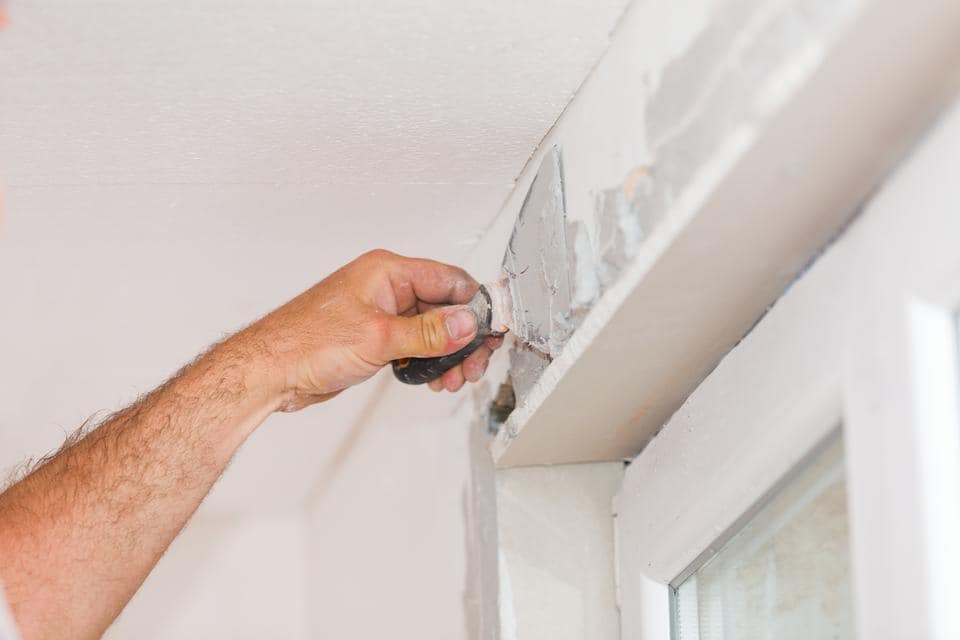
Repairing compromised tape necessitates the complete removal of the affected section to begin anew. Employ a utility knife to score both sides of the failing tape, extending about an inch into the undamaged area on either side. Carefully peel away the tape and scrape off any loose compound beneath it. If the drywall's paper face is damaged during removal, apply a coat of drywall primer to seal the torn paper and prevent future bubbling. Apply a fresh base coat of joint compound, embed new paper tape, and firmly press it with a 6-inch drywall knife to expel excess compound and eliminate air pockets. You should observe a thin, consistent layer of compound extruding from both edges of the tape, confirming adequate contact. Allow this base coat to dry completely before applying subsequent finishing coats.
Preventing Tape Issues in New Drywall Installations
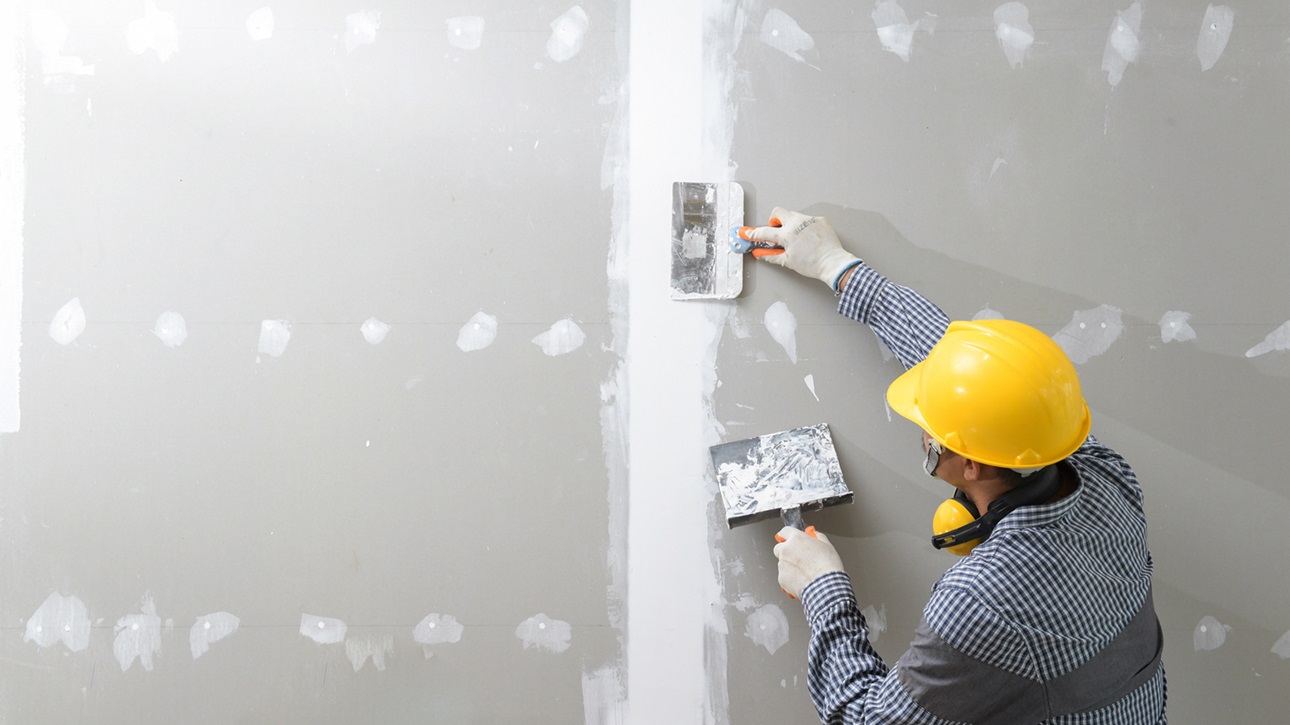
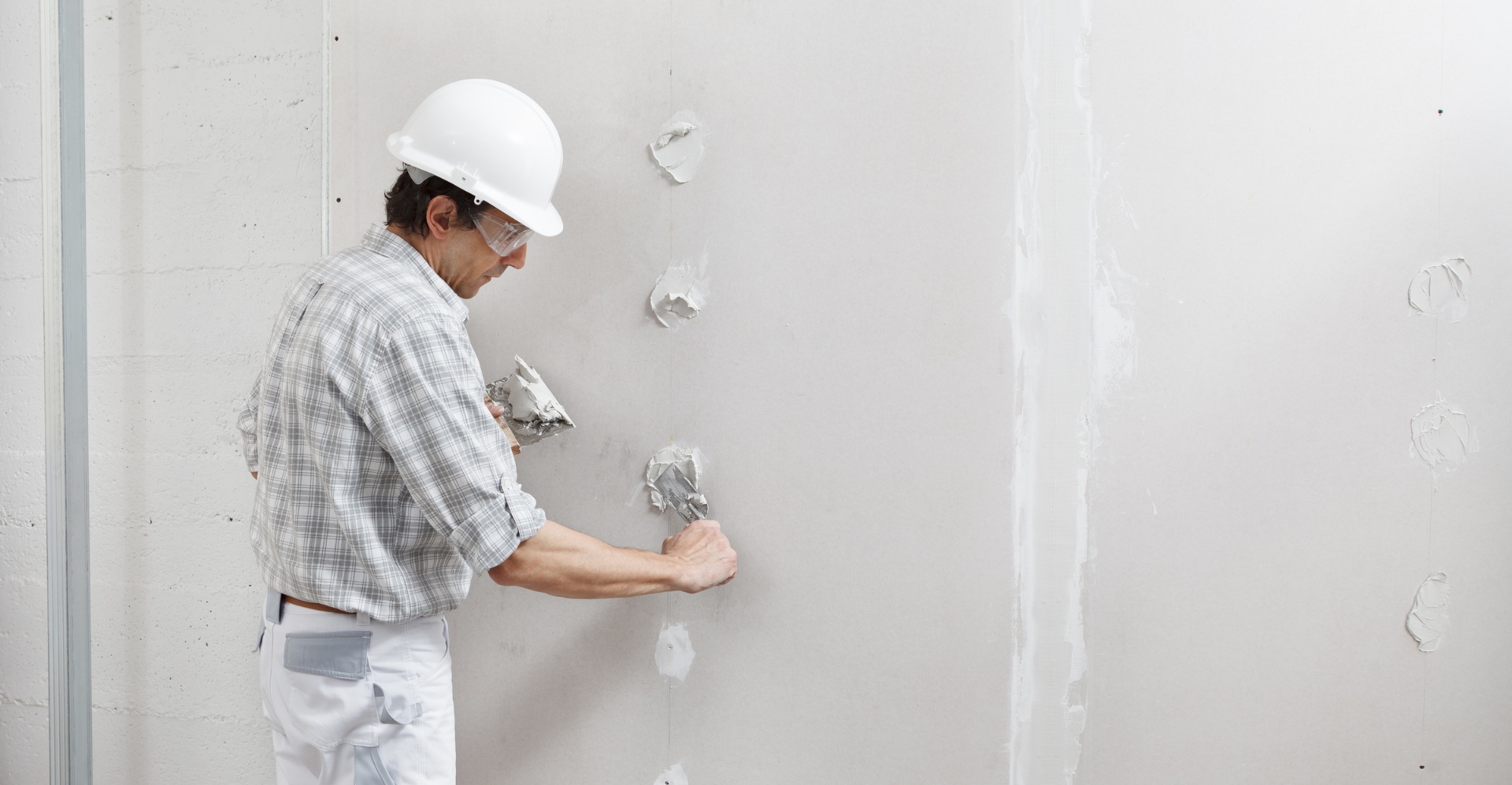
For new construction or renovation projects, employing correct techniques during the initial taping phase can prevent most future problems. Always apply a generous base coat of compound before positioning the tape — the compound should be sufficiently thick for the tape to slide easily into place. Press the tape firmly and consistently with even pressure, and check for air bubbles as you proceed. Briefly pre-wetting paper tape can enhance adhesion and reduce the likelihood of dry spots. For moisture-prone areas like bathrooms and kitchens, use a setting-type compound for the base coat, as it forms a stronger bond than pre-mixed compounds. Our [drywall finishing and texturing](/services/drywall-finishing-texturing) crews follow these best practices on every project to guarantee joints that stand the test of time.
Fiberglass Mesh vs. Paper Tape: When to Choose Which
Fiberglass mesh tape has specific applications, but it should not be considered a universal substitute for paper tape. The open weave of mesh tape allows compound to penetrate and adhere to the wall surface on both sides, ensuring excellent bonding. However, it lacks the bridging strength of paper tape over flat joints, making it more prone to cracking from building movement. Mesh tape is best suited for small repair patches, internal corners where its flexibility is advantageous, and when used with setting-type compound (which is strong enough to compensate for mesh tape’s reduced inherent strength). For butt joints (where the non-tapered edges of drywall panels meet), paper tape is strongly recommended because these joints are naturally the most susceptible to cracking on any wall.
Professional Joint Tape Repair Services in Illinois
If you are experiencing widespread tape failure — bubbling, cracks, or peeling tape across multiple rooms or along extensive wall sections — professional repair offers greater efficiency and delivers a superior, lasting outcome. Our team services the broader Chicago metropolitan area, including [Joliet](/locations/illinois/joliet) and surrounding communities, and can efficiently repair and re-tape affected seams using professional-grade materials. Every repair includes comprehensive finishing to create a smooth, paint-ready surface that will prevent future issues. Contact us for a complimentary assessment of your drywall tape problems.
Need Professional Drywall Help?
Contact Expert Drywall Repairs for a free estimate on your next project.
Get a Free QuoteLooking for drywall repair services in your area? Browse our full service directory by city.