Those annoying little protrusions or crescent cracks on your walls are likely nail pops—a very common drywall problem in homes. Here's why they happen and how to correct them.
What Exactly Are Drywall Nail Pops?
A drywall nail pop occurs when a fastener, whether a nail or screw, either pushes out from the drywall surface or loses its grip, creating a visible protrusion, small crack, or indentation. The term originates from when nails were the primary fastener, but the issue applies equally to screws. Nail pops are a frequent complaint in both new builds and older properties. They typically appear as dime-sized bumps, often accompanied by a crescent-shaped crack where the joint compound has separated. While rarely indicating a structural issue, they are unsightly and tend to worsen over time if left unaddressed. Homeowners in [Charlotte](/locations/north-carolina/charlotte) and [Raleigh](/locations/north-carolina/raleigh) frequently observe nail pops within the first few years of occupancy in new construction.
Typical Reasons for Nail Pops
The primary cause of nail pops is the shrinking of lumber. When a house is constructed, the framing typically has a moisture content of 15% to 19%. Over time, as this wood dries out, it shrinks, potentially pulling away from the drywall fasteners. If the fastener remains in the wood while the drywall moves, the fastener head pushes through the compound. Conversely, if the fastener stays with the drywall as the wood shrinks, it loses its hold and eventually becomes loose. Fluctuations in temperature and humidity exacerbate the problem, as wood expands and contracts with seasonal changes, incrementally loosening fasteners. Homes in [Greensboro](/locations/north-carolina/greensboro) experience significant seasonal humidity shifts, accelerating the lumber drying process in newer framing.
Why New Homes Experience More Nail Pops Than Older Ones
New construction homes are particularly susceptible to nail pops within the initial two to five years because the framing lumber is still acclimatizing. Modern building schedules are also quicker, often leading to drywall installation on framing that hasn't fully dried. Additionally, contemporary homes are built more tightly—with improved windows, increased insulation, and continuous vapor barriers—which can trap moisture within wall cavities and prolong the drying process. Builders commonly address nail pops under warranty during the first year, but many homeowners continue to observe new pops appearing well after the warranty period. This is considered normal and does not suggest a construction flaw.
The Correct Method to Repair a Nail Pop
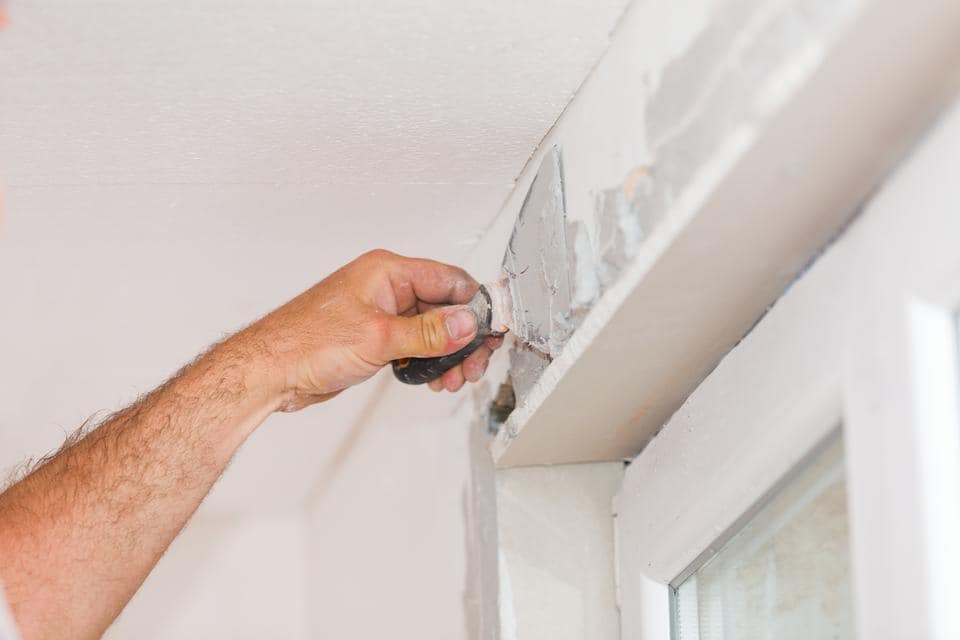
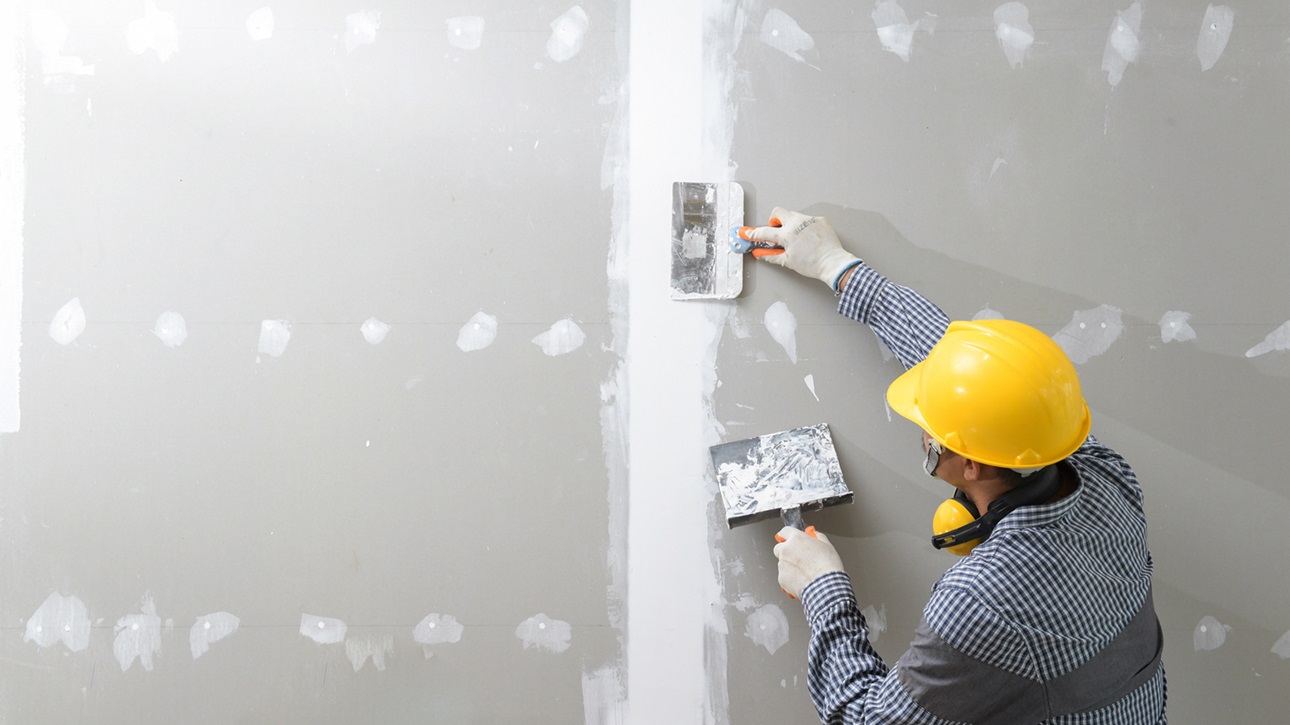
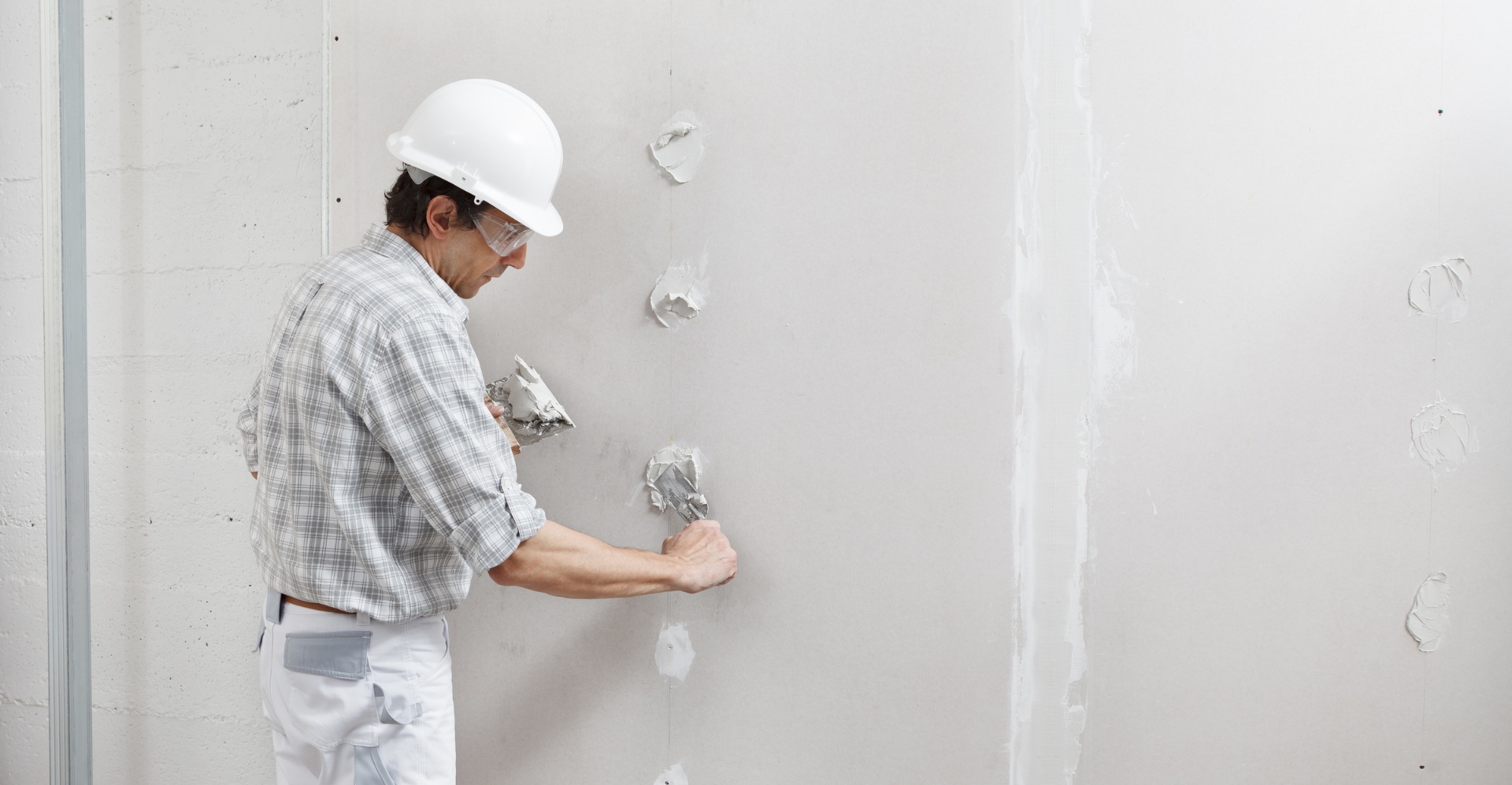
For a lasting nail pop repair, it's crucial to re-secure the drywall before tackling any cosmetic damage. Simply filling the pop with compound without re-anchoring the panel will inevitably lead to its reappearance. Begin by driving a new drywall screw about two inches above or below the existing fastener to pull the drywall firmly against the stud. Then, either remove the original fastener (if a nail, use a pry bar with a putty knife for protection) or drive it deeper if it still holds. Apply joint compound over both the new screw head and the old fastener mark. Apply two to three thin layers, sanding lightly between each, and feather the compound out four to six inches from the center for a seamless repair. Our [drywall repair](/services/drywall-repair) specialists employ this method for every nail pop job to guarantee a long-lasting fix.
Is It Possible to Prevent Nail Pops?
While completely eliminating nail pops isn't feasible, you can significantly reduce their occurrence. Using drywall screws instead of nails greatly decreases their incidence, as screws offer superior holding power and resist backing out. Proper screw spacing (every 12 inches on walls, every 8 inches on ceilings) also helps by distributing stress more evenly. During construction, allowing framing lumber to acclimate for several weeks before hanging drywall gives the wood time to shed moisture and shrink before panels are attached. Utilizing kiln-dried lumber (indicated by a KD stamp) lowers initial moisture content and subsequent shrinkage. For homeowners in [Durham](/locations/north-carolina/durham) and [Winston-Salem](/locations/north-carolina/winston-salem) dealing with persistent nail pops, re-securing the affected areas with additional screws is the most effective long-term solution.
When Nail Pops Indicate a More Serious Issue
In rare instances, an sudden widespread appearance of nail pops could signal a deeper problem. If pops are accompanied by diagonal cracks, doors that jam or don't latch, or visible gaps between walls and ceilings, the underlying cause might be foundation movement or structural settling, rather than typical lumber shrinkage. In such cases, merely fixing the nail pops would be treating the symptom and overlooking the root problem. A structural engineer can assess whether the movement is normal or requires intervention. For most homes, however, nail pops are usually a cosmetic nuisance that can be efficiently and permanently corrected with the right approach.
Professional Nail Pop Repair Services
If you have a few nail pops in a single room, a DIY repair is manageable for those comfortable with basic tools. However, if nail pops are widespread throughout your home—a common occurrence in properties less than five years old—professional repair offers greater efficiency. Our teams can address numerous nail pops in one visit, re-securing each spot, applying compound, and leaving your walls primed for a fresh coat of paint. We serve homeowners across North Carolina, from [Charlotte](/locations/north-carolina/charlotte) to [Raleigh](/locations/north-carolina/raleigh), and provide complimentary estimates for all nail pop and drywall repair services.
Need Professional Drywall Help?
Contact Expert Drywall Repairs for a free estimate on your next project.
Get a Free QuoteLooking for drywall repair services in your area? Browse our full service directory by city.