Diagonal cracks stemming from the corners of doors and windows are a very common drywall problem. Identifying the underlying cause is crucial for a durable repair.
The Genesis of Cracks Near Openings
The regions above doors and windows represent the most structurally strained sections of any wall. Every aperture in a wall necessitates a header — a horizontal support beam that shifts the weight from above the opening onto the vertical jack studs flanking it. This concentration of force creates stress points at the corners where the header meets the supporting studs. As a structure settles, experiences soil shifts, or flexes due to wind and temperature fluctuations, these stress points absorb a disproportionate amount of force, and the drywall covering them is the first medium to exhibit overt signs of this strain. The hallmark pattern is a diagonal fissure extending from one or both upper corners of the door or window frame outwards toward the ceiling. Homeowners in [Wichita](/locations/kansas/wichita) and [Overland Park](/locations/kansas/overland-park) frequently observe these cracks because Kansas's soil conditions contribute to ongoing foundation movement that consistently stresses wall openings.
Differentiating Minor Cracks from Serious Structural Concerns
Not every fracture appearing above a door indicates a severe structural emergency. Small settling cracks — thin as a hair, stable over extended periods, and localized to the immediate vicinity of the opening — are normal in residences of any age and are largely aesthetic concerns. Indicators suggesting more severe structural issues include cracks exceeding an eighth of an inch in width, cracks that progressably enlarge over weeks or months, doors or windows that no longer operate smoothly due to frame distortion, visible gaps between the frame and the adjacent wall, and cracks appearing in similar locations throughout the residence simultaneously. If you notice several of these warning signs, an assessment by a structural engineer is a prudent investment before committing funds to cosmetic drywall repairs that will likely re-crack.
The Optimal Repair Strategy for Recurrent Fissures
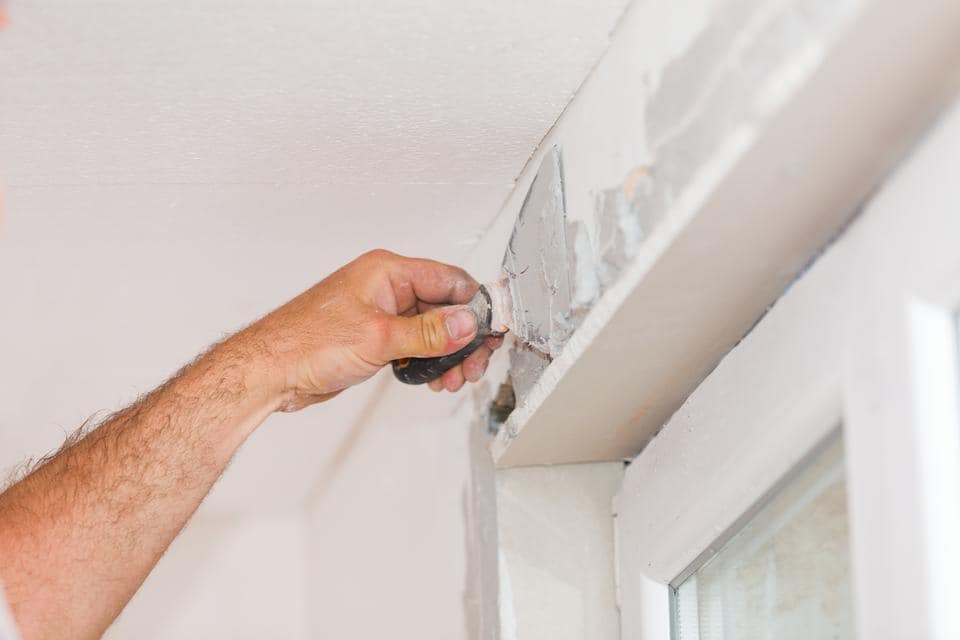
Conventional drywall tape and joint compound will provide a temporary remedy, but if the underlying movement persists, the crack will reappear — often within a single seasonal cycle. For cracks above doors and windows that have returned following previous repairs, the methodology must account for continuous minor shifting. Begin by removing the existing tape and compound from the affected area. Apply fiberglass mesh tape, which offers superior elasticity compared to paper tape and can accommodate slight movement without fracturing. Utilize a setting-type compound for the initial coat — it offers greater strength and crack resistance than pre-mixed compounds. Apply several thin layers, progressively feathering each coat wider than the previous one. Our [drywall repair](/services/drywall-repair) specialists in [Topeka](/locations/kansas/topeka) and [Lawrence](/locations/kansas/lawrence) employ these specific techniques, particularly for stress-point cracks demanding flexible repair solutions.
Buttressing Areas to Inhibit Future Cracking
Beyond the repair itself, reinforcing the stress point area diminishes the probability of subsequent cracking. One effective method involves applying a broader section of fiberglass mesh — extending eight to twelve inches beyond the crack in all directions — before applying the compound. This technique distributes the stress over a larger surface area rather than concentrating it along the original crack line. For severely stressed zones, a thin layer of elastomeric compound or flexible caulk applied within the crack prior to taping allows for minute movement without causing the rigid compound on top to fracture. Some contractors also install additional screws to more firmly secure the drywall to the framing around the opening, thereby reducing panel movement that leads to surface cracks.
Addressing the Core Problem Whenever Feasible
In certain circumstances, the root cause of cracking above doors and windows can be resolved to mitigate or prevent future movement. If the cracks originate from foundation settling, foundation repair or stabilization addresses the issue at its source. If an inadequately sized header is bowing under load, reinforcing or replacing it eliminates the flexion that contributes to cracking. If the cracking correlates with seasonal fluctuations in soil moisture, enhancing drainage around the foundation and maintaining consistent soil moisture levels reduces the extent of seasonal movement. Homeowners in [Olathe](/locations/kansas/olathe) contending with persistent cracks should weigh whether the expense of rectifying the underlying cause is justified by the avoidance of repeated cosmetic damage repairs.
Achieving a Flawless Final Appearance
The final stage of a door or window crack repair demands particular attention, as these areas are at eye level and typically well-lit — making any imperfections immediately noticeable. Feather the concluding compound coat at least ten to twelve inches outwards from the crack on all sides to create a gradual, imperceptible transition. Sand with 150-grit sandpaper using a sanding block to maintain a flat plane, then follow with 220-grit for a smooth finish. Before applying primer, inspect the repaired area under side lighting from various angles to detect any ridges or depressions. A quality primer-sealer ensures uniform paint absorption across the mended section. If the wall features texture, replicate the texture on the repaired spot before priming — texture applied over primer does not adhere as effectively as texture applied over bare compound.
Need Professional Drywall Help?
Contact Expert Drywall Repairs for a free estimate on your next project.
Get a Free QuoteLooking for drywall repair services in your area? Browse our full service directory by city.