Significant variations in seasonal temperatures place constant strain on your home's drywall. Understanding this phenomenon can help you prevent and fix the resulting issues.
The Hidden Stress Cycle Within Your Walls
Your residence is perpetually in subtle motion. As temperatures fluctuate throughout the year, every component of the structure—including wood framing, metal fasteners, concrete, and drywall—expands and contracts at varying rates. This differing movement creates tension at connection points, which eventually leads to visible damage over time. The pattern is consistent: summer warmth leads to expansion, winter cold causes contraction, and the transitional periods between seasons produce the most pronounced shifts. Homeowners in [Kansas City](/locations/missouri/kansas-city) and [Saint Louis](/locations/missouri/saint-louis), where temperatures can range from well below zero in January to extreme heat in July, experience some of the most intense seasonal stress cycles in the nation. This broad temperature spectrum subjects drywall to recurrent expansion and contraction, which accumulates damage year after year.
How Temperature Fluctuations Lead to Nail Pops
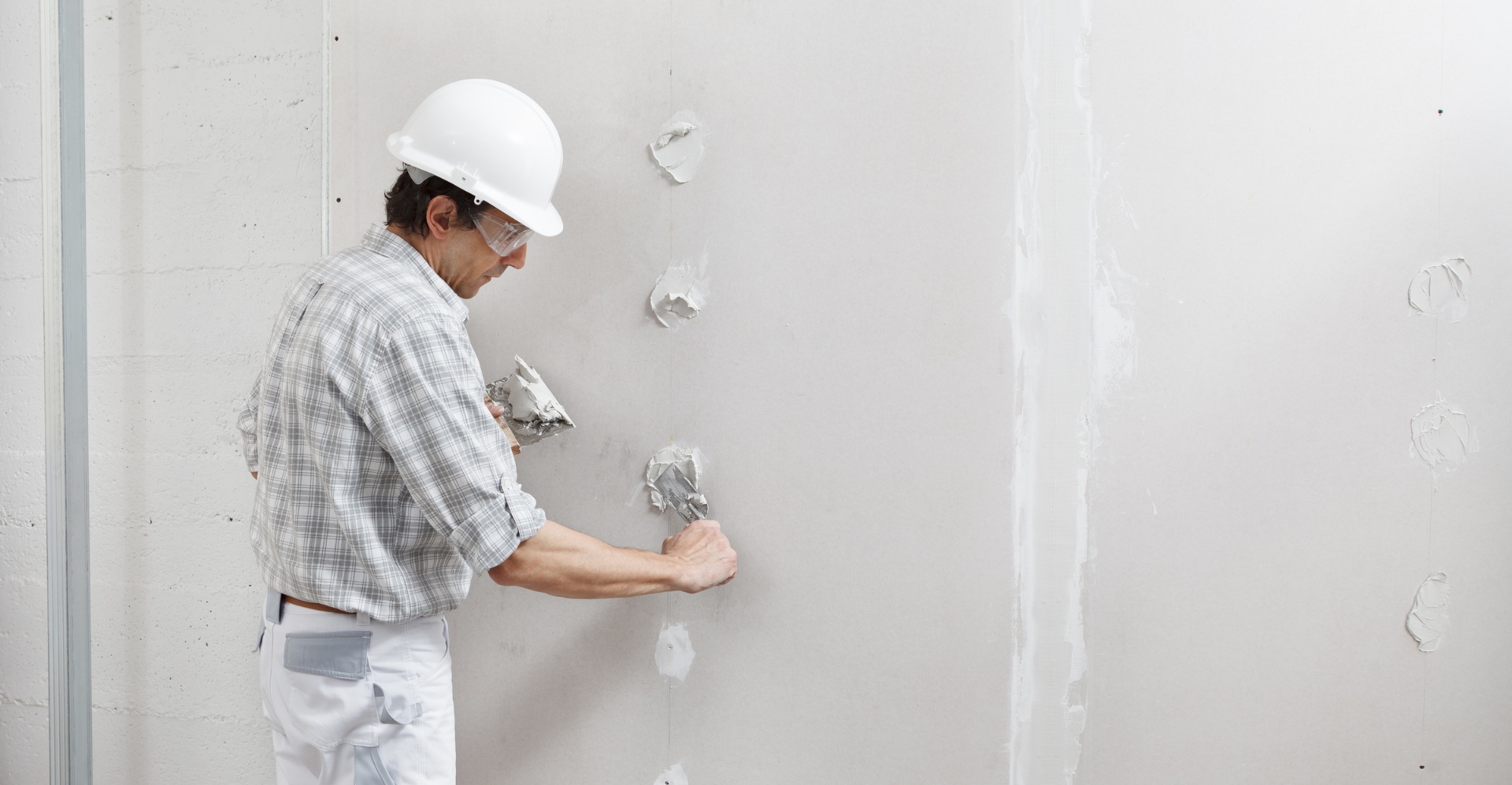
Nail pops—those small, round protrusions or visible nail heads on walls and ceilings—are a frequent outcome of seasonal temperature cycles. The mechanism is straightforward: as lumber framing expands and contracts, it presses against the drywall fasteners. Over numerous cycles, this repetitive action gradually pulls nails out of the wood, pushing them forward until they pierce through the joint compound and become noticeable. This is why nail pops often appear in groups and tend to reoccur on the same surfaces annually. The issue is more apparent with nails compared to drywall screws, which is a key reason modern building codes mandate screws for drywall installation. If your home has nail-fastened drywall and experiences recurring nail pops, the lasting solution involves installing drywall screws above and below the prominent nail, then removing the nail and patching the holes.
Tape Joint Failure Due to Thermal Cycling
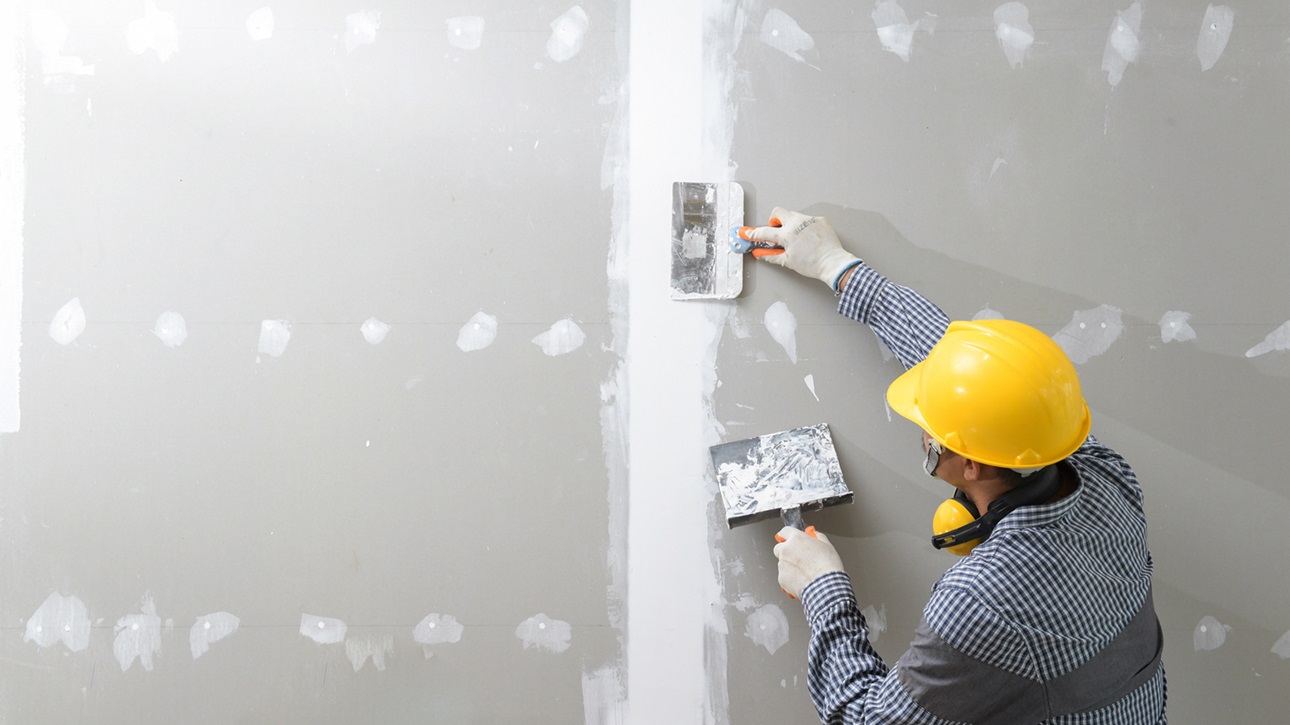
The seams between drywall panels represent another common point of failure under thermal stress. Tape joints are designed to bridge the gaps between panels, creating the illusion of a continuous surface, but they are inherently weaker than the panels themselves. As adjacent panels and the framing supporting them expand and contract at slightly different rates, the joint tape and compound are subjected to shearing and tensile forces. Over time, this causes the tape to crack, detach from the compound, or peel completely away from the surface. Joints running perpendicular to ceiling joists or wall studs are most susceptible because they cross the direction of maximum movement. In [Springfield](/locations/missouri/springfield) and [Columbia](/locations/missouri/columbia), areas with many older homes featuring original tape work, seasonal tape failure is one of the most frequent repair requests we receive.
Cracks at Corners and Intersections
The corners where walls meet ceilings and where walls meet other walls are zones of high stress due to seasonal movement. These intersections combine framing members oriented in different directions, often with differing moisture content and varied rates of thermal expansion. The outcome is cracking along the corner bead or along the tape joint at the intersection. In two-story residences, crack patterns frequently concentrate on the upper floor and in the stairwell, where the framing has the most capacity for movement. Ceiling cracks extending across the center of a room—parallel to the joists—are also classic indicators of seasonal shifting. These cracks tend to widen during one season and partially close during another, making lasting repairs challenging unless the underlying movement is also addressed.
Effective Repair Techniques for Temperature-Related Damage
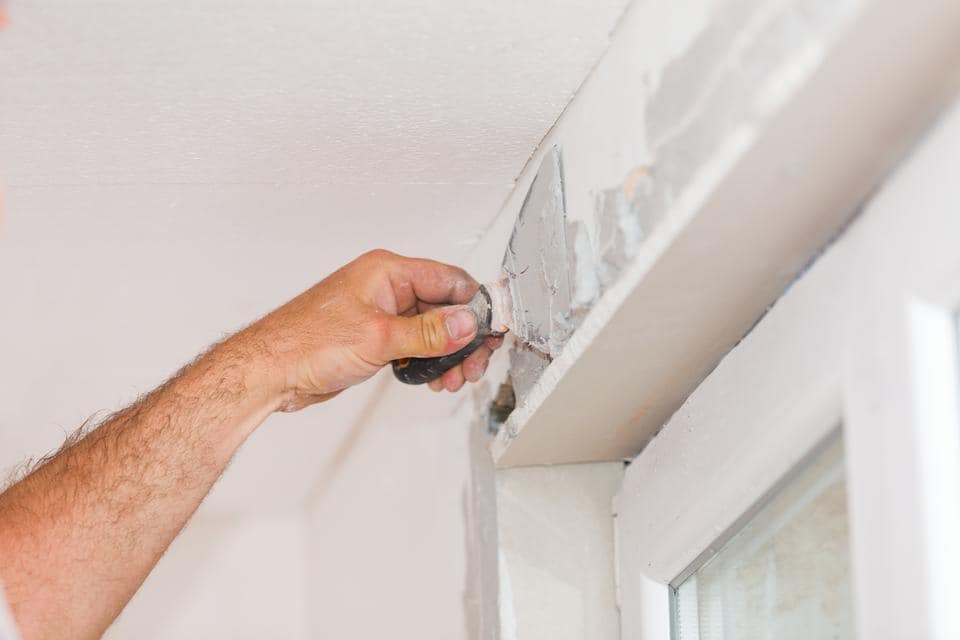
Repairing drywall damage caused by temperature fluctuations requires a distinct approach compared to fixing impact damage or water damage. Since the underlying movement will persist, repairs must accommodate a certain degree of ongoing flexibility. For persistent cracks, using fiberglass mesh tape instead of paper tape provides superior resistance to shearing forces. Applying flexible or elastomeric joint compound allows the repaired joint to move slightly without re-cracking. For nail pops, the lasting solution is to secure the panel with screws adjacent to each pop before patching—this prevents the panel from moving at that point in the future. Our [drywall repair](/services/drywall-repair) specialists in [Kansas City](/locations/missouri/kansas-city) utilize these specialized methods to provide durable repairs even in homes subjected to considerable seasonal movement.
Reducing Temperature Stress on Your Drywall
While eliminating seasonal temperature variations is impossible, you can mitigate their impact on your drywall. Maintaining steady indoor temperatures—rather than extreme thermostat changes between day and night—reduces the expansion and contraction cycle within the building's envelope. Proper attic insulation moderates the temperature difference between the attic space and the rooms below, reducing stress on ceiling drywall and upper-wall joints. Sealing air leaks around windows, doors, and penetrations minimizes drafts that create localized cold spots and condensation. In older homes throughout [Independence](/locations/missouri/independence) and nearby communities, adding blown-in wall insulation can significantly reduce the thermal cycling experienced by framing and drywall. These improvements offer benefits beyond drywall preservation, including lower energy costs and enhanced comfort year-round.
Need Professional Drywall Help?
Contact Expert Drywall Repairs for a free estimate on your next project.
Get a Free QuoteLooking for drywall repair services in your area? Browse our full service directory by city.